About Engineered wood herringbone flooring
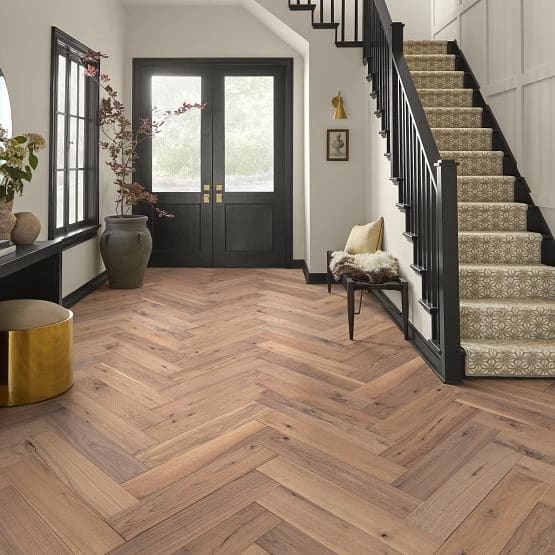
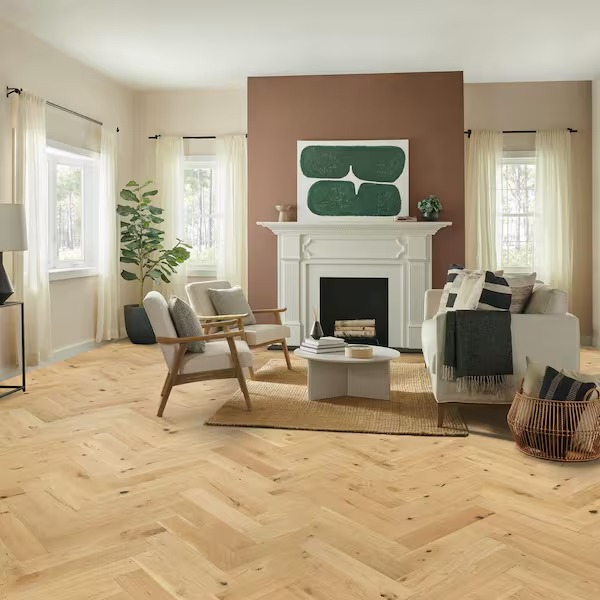
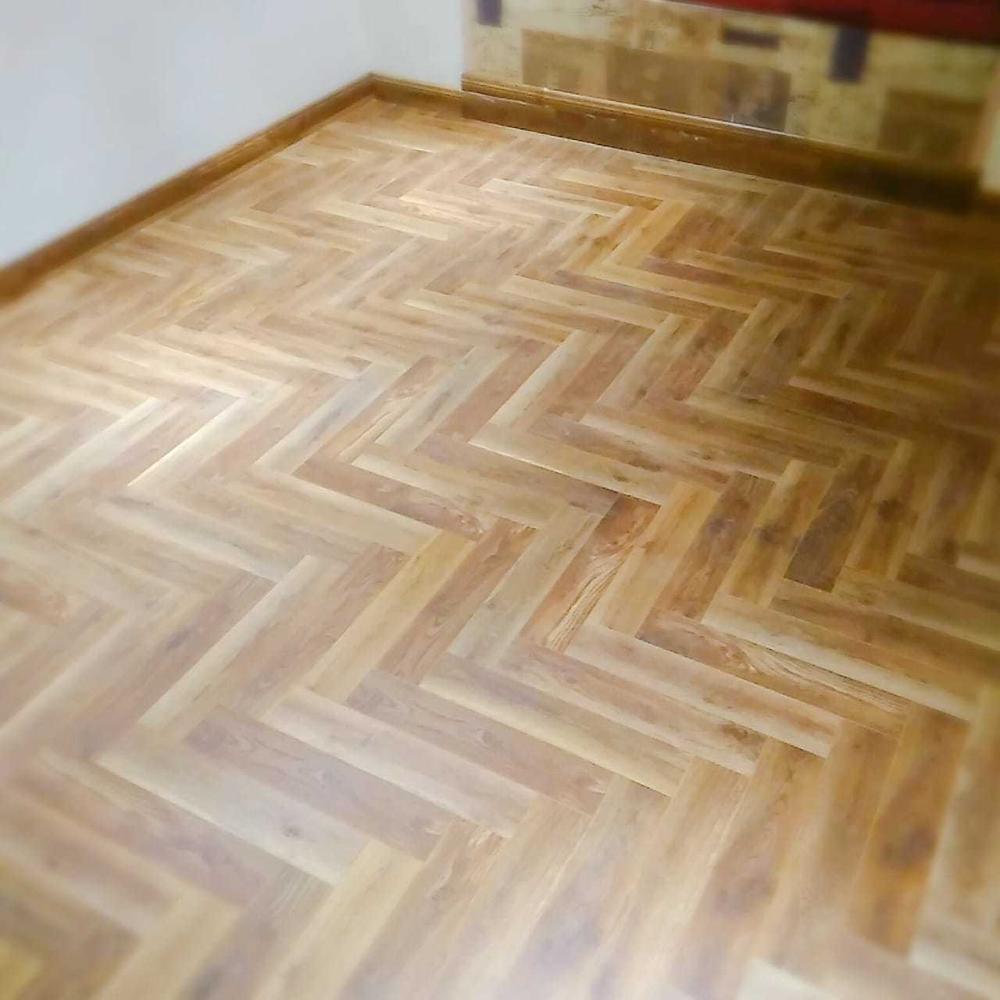
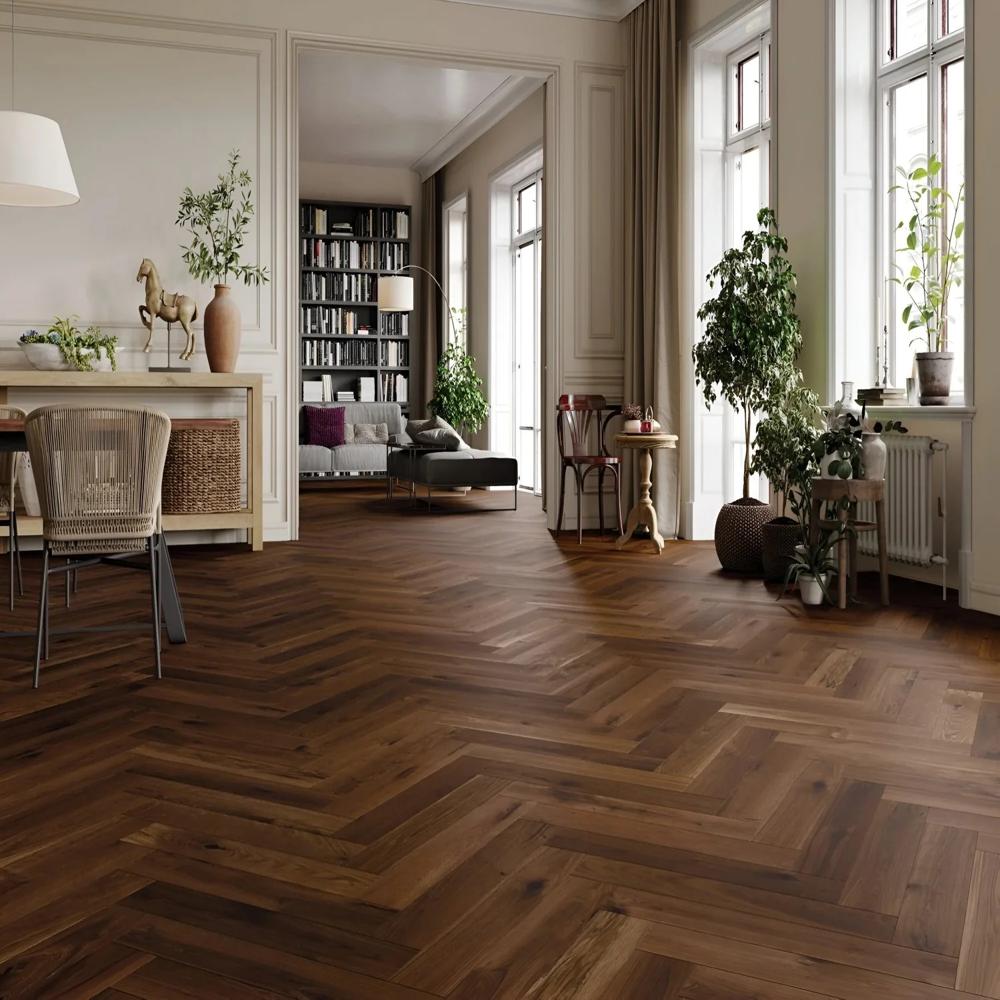
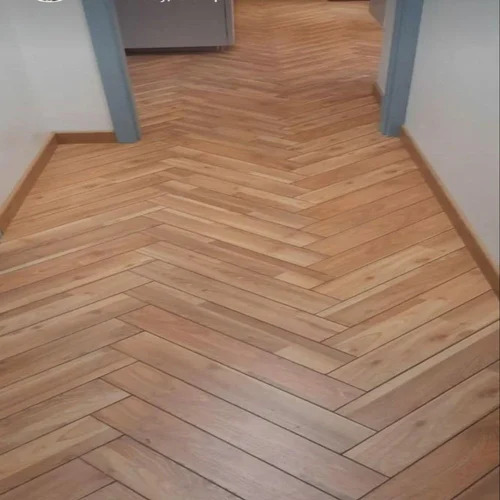
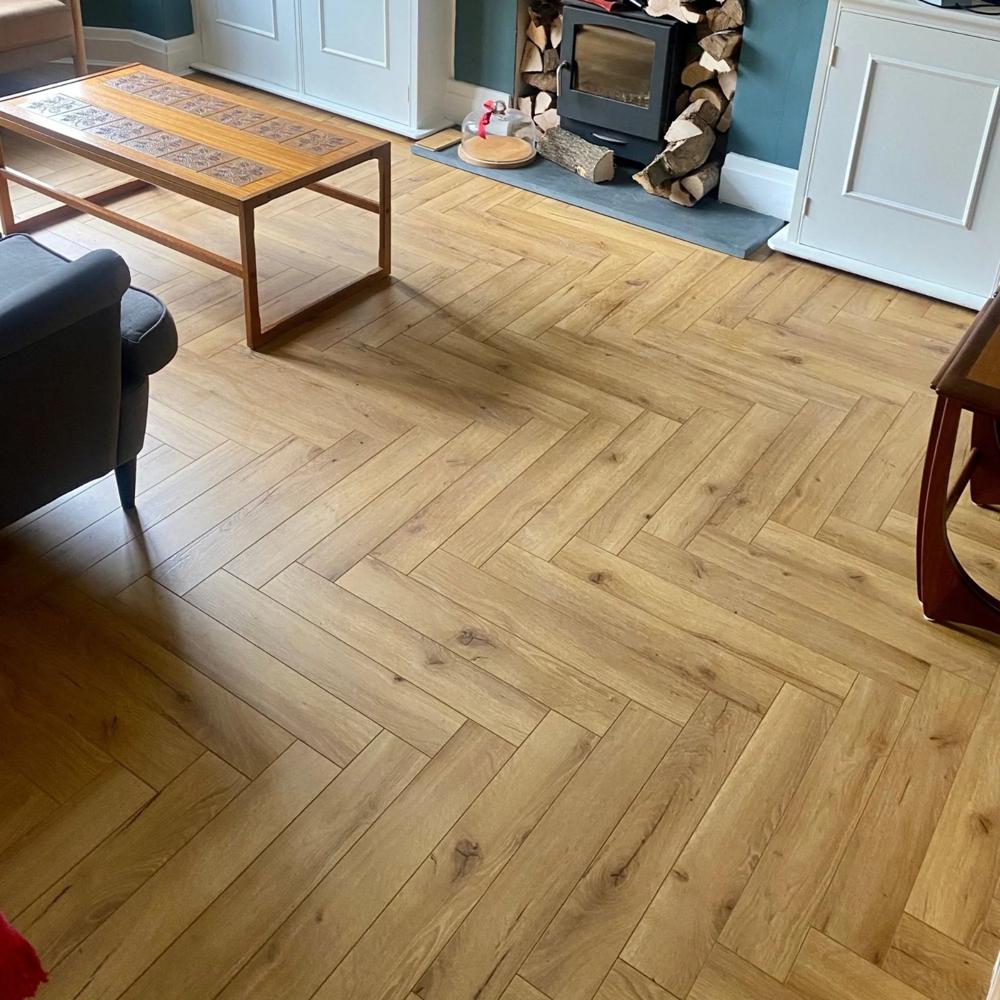
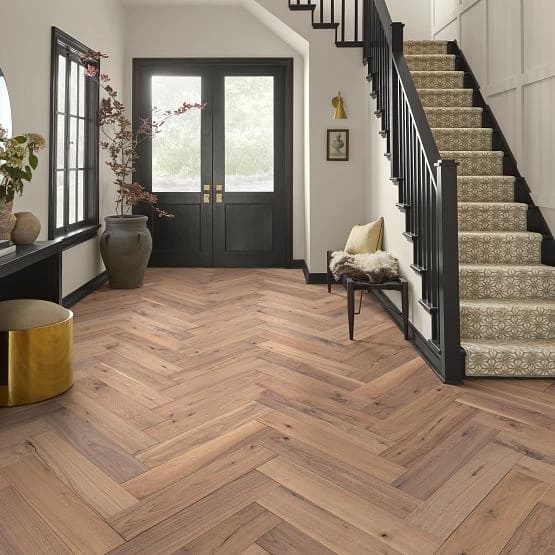
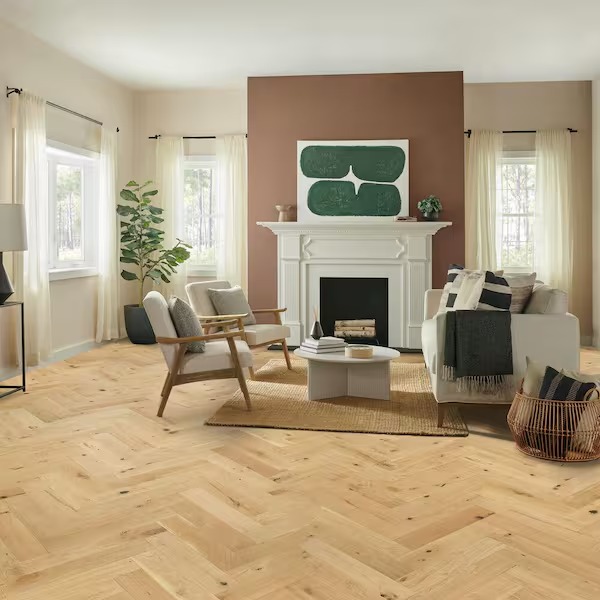
Herringbone wooden flooring is a classic parquet layout where rectangular wood planks are arranged at 90-degree angles to form a staggered zigzag pattern resembling the bones of a herring fish. Unlike Chevron flooringwhere plank ends are cut at 45-degree angles to meet in a continuous arrowherringbone uses square-ended rectangular boards where the short end of one plank butts directly against the long side of the adjacent board.Material Types
Herringbone wooden flooring is available in three primary constructions to suit different climates, traffic levels, and budgets:
- Engineered Wood. Built with a real hardwood top veneer bonded over a stabilizing plywood or softwood core, offering high resistance to seasonal humidity and temperature changes. Collections like the Mikasa Herringbone Collection and Inovar Heritage Series offer pre-finished options in oak, walnut, and teak.
- Laminate Flooring. Features a High-Density Fiberboard (HDF) core topped with a photographic wood-grain layer and a tough melamine wear coat, such as the Perfect Floor Herringbone Laminate. It delivers strong scratch resistance at a lower price point.
- Solid Hardwood. Milled from a single piece of solid timber (such as European oak, American walnut, or Indian teak). It can be sanded and refinished multiple times over decades, though it is more sensitive to moisture and requires strict subfloor preparation.
Standard Technical Specifications
Specifications vary across engineered wood, laminate, and solid hardwood constructions:
| Specification |
Engineered Wood |
Laminate Flooring |
Solid Wood |
| Total Thickness |
10 mm 18 mm (commonly 12 mm 15 mm) |
8 mm 12 mm (commonly 8.3 mm 10 mm) |
18 mm 22 mm |
| Top Wear Layer |
2.5 mm 4 mm real hardwood veneer |
AC4 or AC5 commercial-grade abrasion coating |
Full board thickness (sandable) |
| Plank Width |
70 mm 130 mm (90 mm is standard) |
95 mm 105 mm (commonly 100 mm 101 mm) |
70 mm 130 mm |
| Plank Length |
450 mm 600 mm (commonly 540 mm) |
470 mm 606 mm |
350 mm 700 mm |
| Aspect Ratio |
Typically 5:1 or 6:1 (e.g., 90 540 mm) |
Typically 5:1 or 6:1 (e.g., 101 606 mm) |
Typically 4:1 to 6:1 |
| Core Material |
Multi-layer birch plywood or pine core |
High-Density Fiberboard (HDF) |
100% solid timber |
| Locking / Joint |
Tongue & Groove (T&G) or click lock (e.g., PlankLoc) |
Double-click / fold-down click lock system |
Tongue & Groove (T&G) |
| Surface Finishes |
Matte/satin UV lacquer, natural oil, brushed, or smoked |
Embossed wood grain with micro V-grooves |
Unfinished (raw) or pre-finished lacquer/oil |
| Popular Species |
European Oak, American Walnut, Burmese Teak |
Oak and Walnut decors |
European Oak, American Walnut, Indian Teak |
Installation & Planning Notes
- Installation Method. Engineered and solid herringbone planks are typically installed using a full-surface glue-down method directly onto a leveled concrete or plywood subfloor to prevent movement at the right-angle joints. Laminate herringbone uses a floating installation over acoustic foam or wood-fiber underlayment.
- Subfloor Flatness. Because every block meets its neighbor at a strict 90-degree angle, even minor subfloor unevenness will cause visible lippage or gaps across the floor.
- Material Wastage. Plan to order 12% to 15% extra material to account for diagonal perimeter cuts along the walls, compared to 5%10% for straight plank layouts
Elegant and Versatile FlooringBring timeless elegance to your space with engineered wood herringbone flooring. With a selection of natural, stained, and smooth finishes in various colors, the rectangular planks fit seamlessly into both classic and contemporary settings. This flooring option is perfect for anyone looking to combine aesthetic charm with practicality and easy installation.
Engineered Durability and PerformanceDesigned with advanced engineered wood techniques, this herringbone flooring offers exceptional strength and stability. It features a moisture content of 25% and is manufactured for low water absorption, ensuring a long-lasting and resilient floor. The 8 mm thickness provides comfort underfoot while being suitable for high-traffic areas.
FAQ's of Engineered wood herringbone flooring:
Q: How is engineered wood herringbone flooring installed?
A: Engineered wood herringbone flooring is typically installed using a click or glue-down method. Its rectangular planks are designed to interlock in a classic herringbone pattern, making installation straightforward for professional fitters or experienced DIY enthusiasts.
Q: What are the benefits of choosing engineered wood herringbone flooring over solid wood?
A: Engineered wood provides superior stability and resistance to warping compared to solid wood. Its layered construction ensures longevity, and the herringbone design adds an upscale, timeless appearance to any space.
Q: When is it best to use engineered wood herringbone flooring?
A: This flooring is suitable for various interior spaces, both residential and commercial. It's ideal for living rooms, hallways, offices, and reception areas where both style and durability are important.
Q: Where can engineered wood herringbone flooring be installed?
A: Thanks to its moisture-resistant properties and robust surface treatment, it can be installed in most indoor environments, excluding areas with excessive moisture such as bathrooms or saunas.
Q: What is the maintenance process for engineered wood herringbone flooring?
A: Routine maintenance involves sweeping or vacuuming to remove debris, along with occasional damp mopping using a wood-safe cleaner. It's important to avoid standing water and abrasive cleaning products.
Q: How does the surface treatment affect the flooring's look and durability?
A: Surface treatments like natural, stained, and smooth finishes not only enhance the appearance through color and style but also protect the flooring from daily wear, helping preserve its look over time.
Q: What usage scenarios are most suitable for this flooring type?
A: Engineered wood herringbone flooring excels in areas requiring elegance and practicality-such as living areas, offices, boutiques, and showrooms-thanks to its blend of durability, moisture resistance, and aesthetic appeal.





 Send Inquiry


 Send Inquiry
