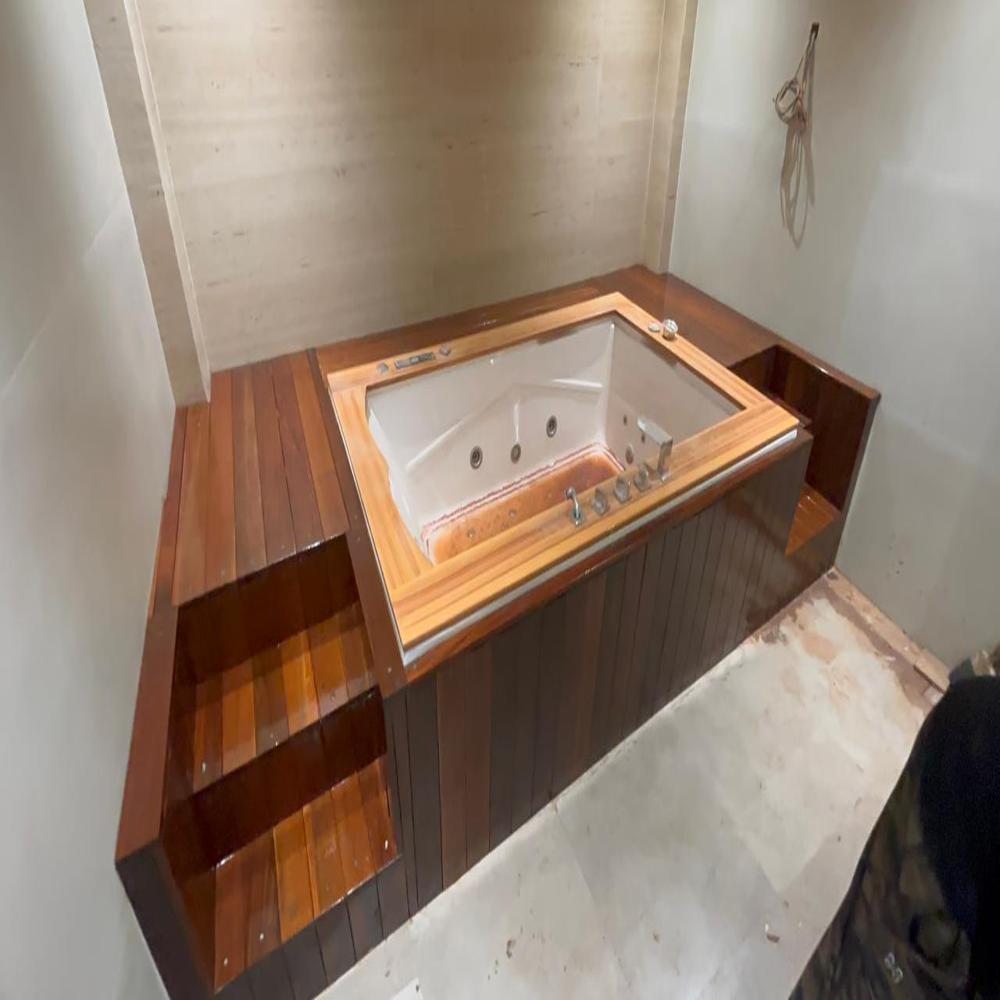
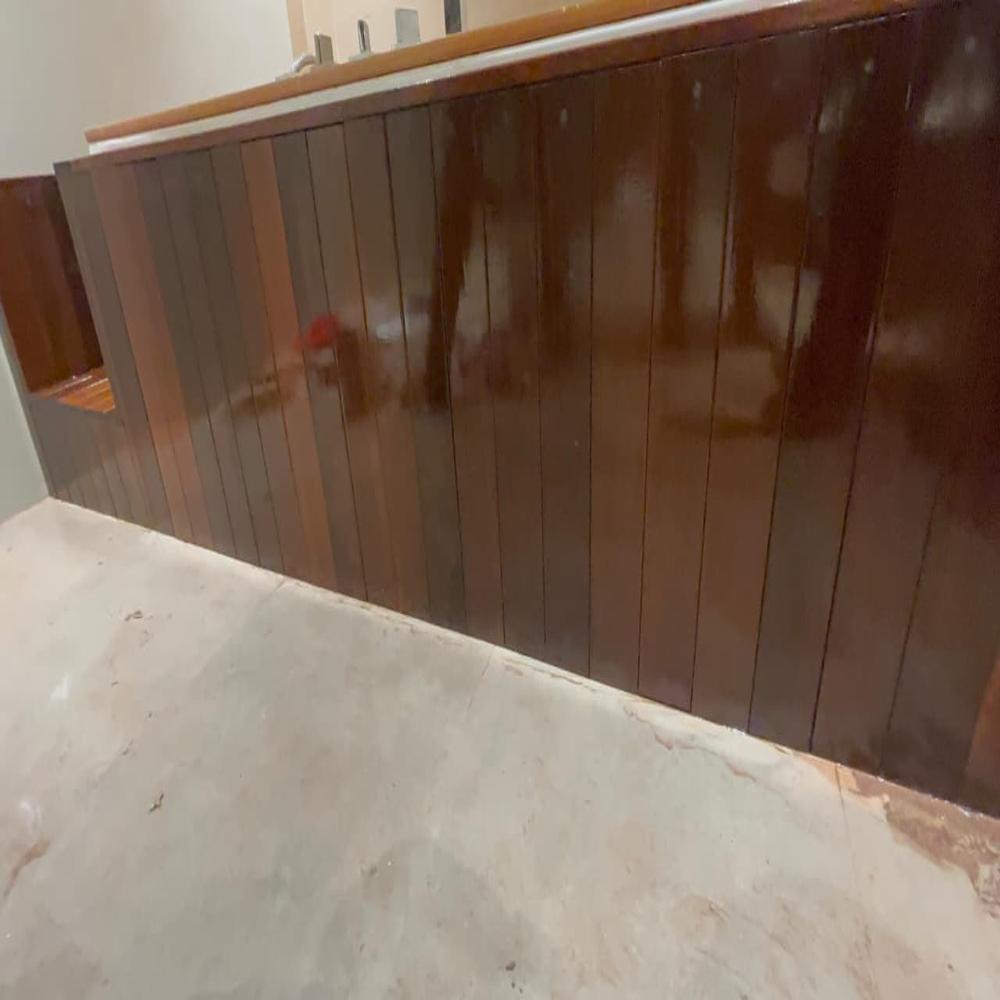
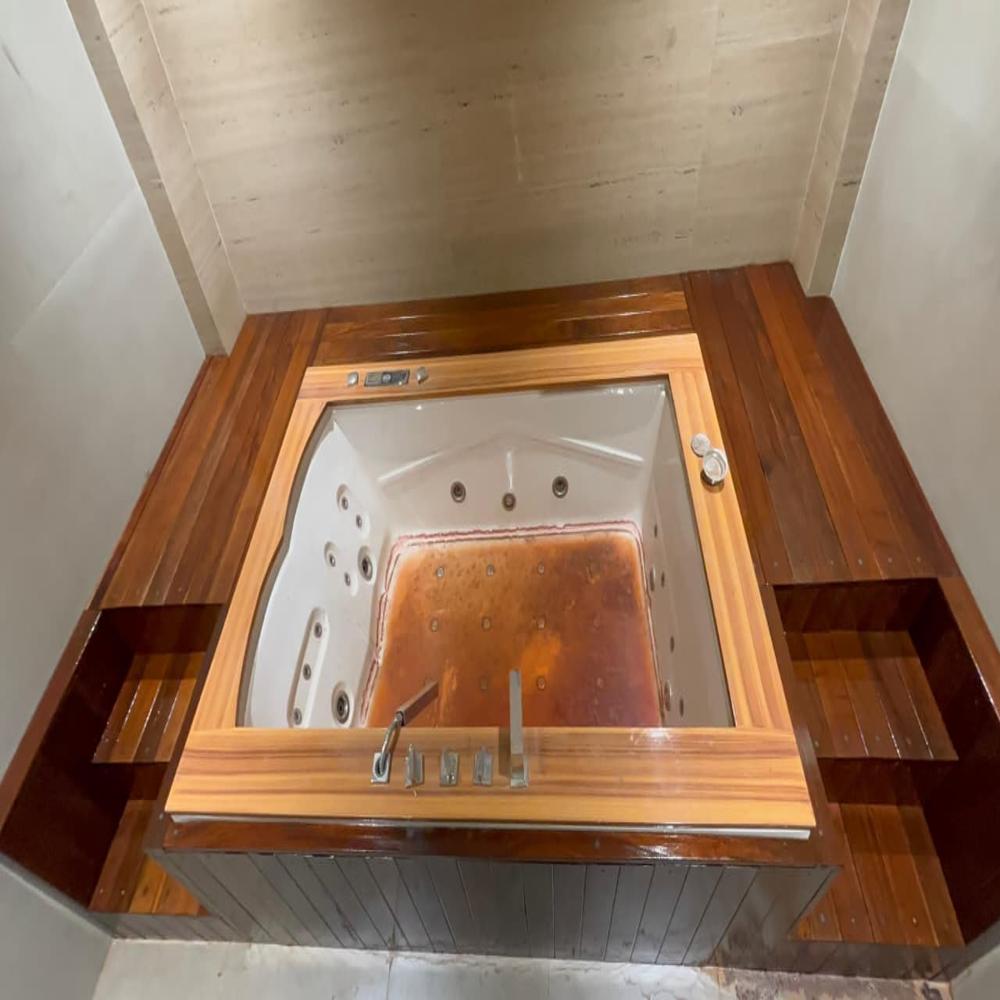
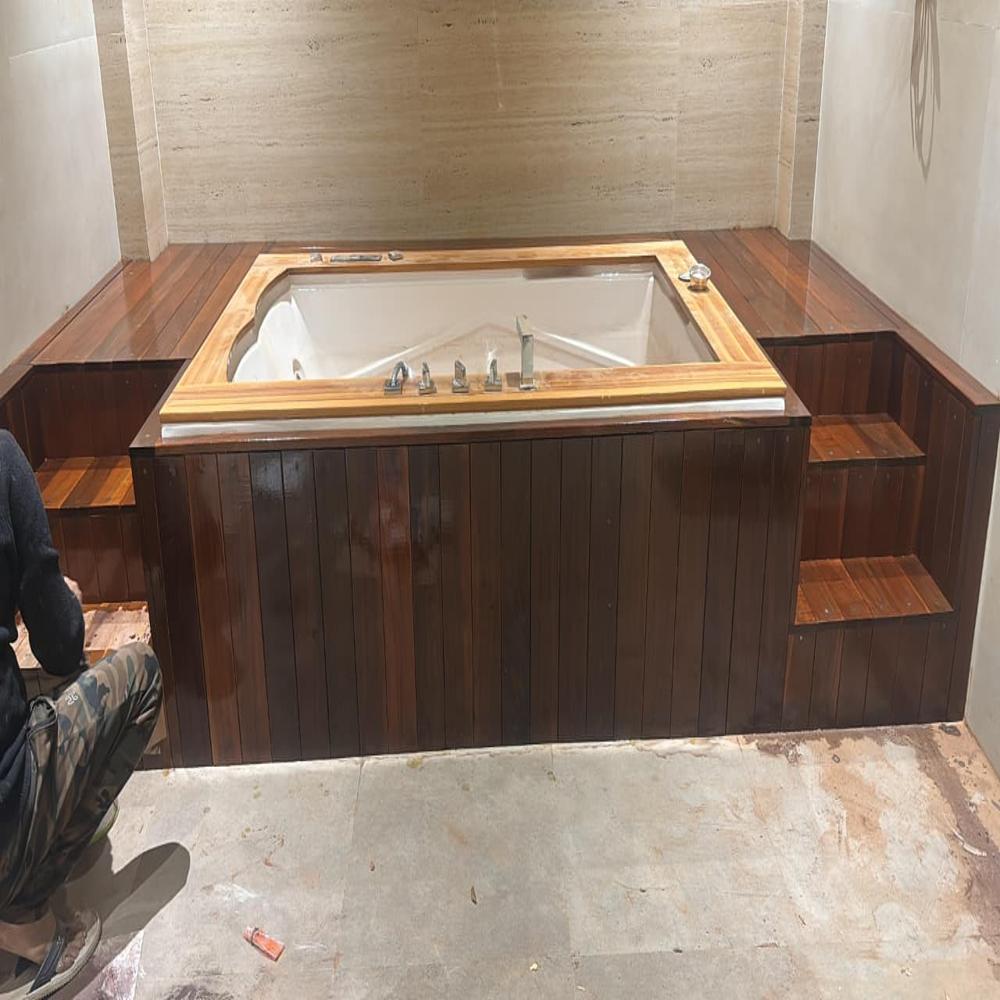
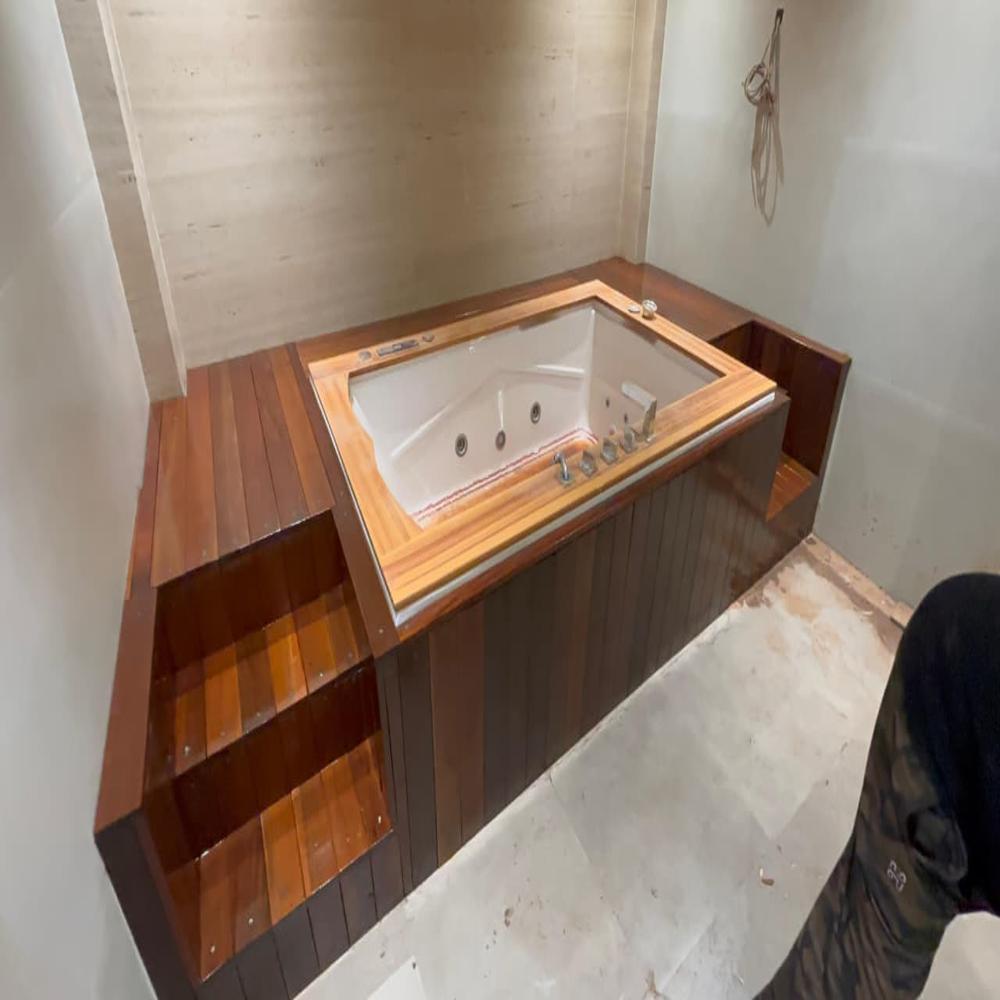
About IPE WOOD
Ipe Wood (Brazilian Walnut) Detailed Description and Uses
1. Introduction
Ipe wood (pronounced ee-pay) is a very dense, strong, and durable hardwood. It comes mainly from Central and South America, especially Brazil. It is often called Brazilian Walnut, though it is not a true walnut. The wood is harvested from trees of the genus Handroanthus (formerly Tabebuia).
2. Physical Characteristics
Appearance
-
Color: Olive-brown to dark brown
-
Can darken over time to a deeper brown
-
May have reddish or yellowish tones
-
Fine to medium texture
-
Straight to slightly interlocked grain
Density & Weight
-
Extremely dense and heavy
-
One of the hardest woods in the world
-
Harder than oak and maple
-
Sinks in water due to high density
Fire Resistance
-
Very high fire resistance
-
Comparable to steel and concrete in fire rating
-
Often rated Class A for fire safety
Moisture & Decay Resistance
3. Mechanical Properties
-
Very high strength
-
High bending strength
-
Excellent durability under heavy loads
-
High shock resistance
-
Difficult to cut due to hardness
-
Requires pre-drilling before nailing or screwing
4. Advantages of Ipe Wood
Extremely durable
Long-lasting outdoors
Resistant to insects and rot
Very attractive appearance
Fire-resistant
Low maintenance
High strength
5. Disadvantages
Expensive
Very heavy
Hard to work with
Requires special tools
Sustainability concerns if not responsibly sourced
6. Uses of Ipe Wood
1. Decking
2. Boardwalks
3. Outdoor Structures
-
Pergolas
-
Fences
-
Gazebos
-
Outdoor stairs
4. Outdoor Furniture
-
Benches
-
Garden tables
-
Patio chairs
-
Poolside furniture
5. Marine Applications
6. Commercial Projects
-
Bridges
-
Parks
-
Public seating areas
-
Heavy-duty flooring
7. Interior Applications
-
Hardwood flooring
-
Stair treads
-
Handrails
-
High-end furniture
7. Maintenance
-
Can be left untreated (will turn silver-gray over time)
-
Oil can be applied to maintain brown color
-
Cleaning with mild soap and water
-
Does not require chemical preservatives
8. Sustainability
-
Should be purchased from FSC-certified suppliers
-
Overharvesting can harm rainforests
-
Responsible sourcing is important
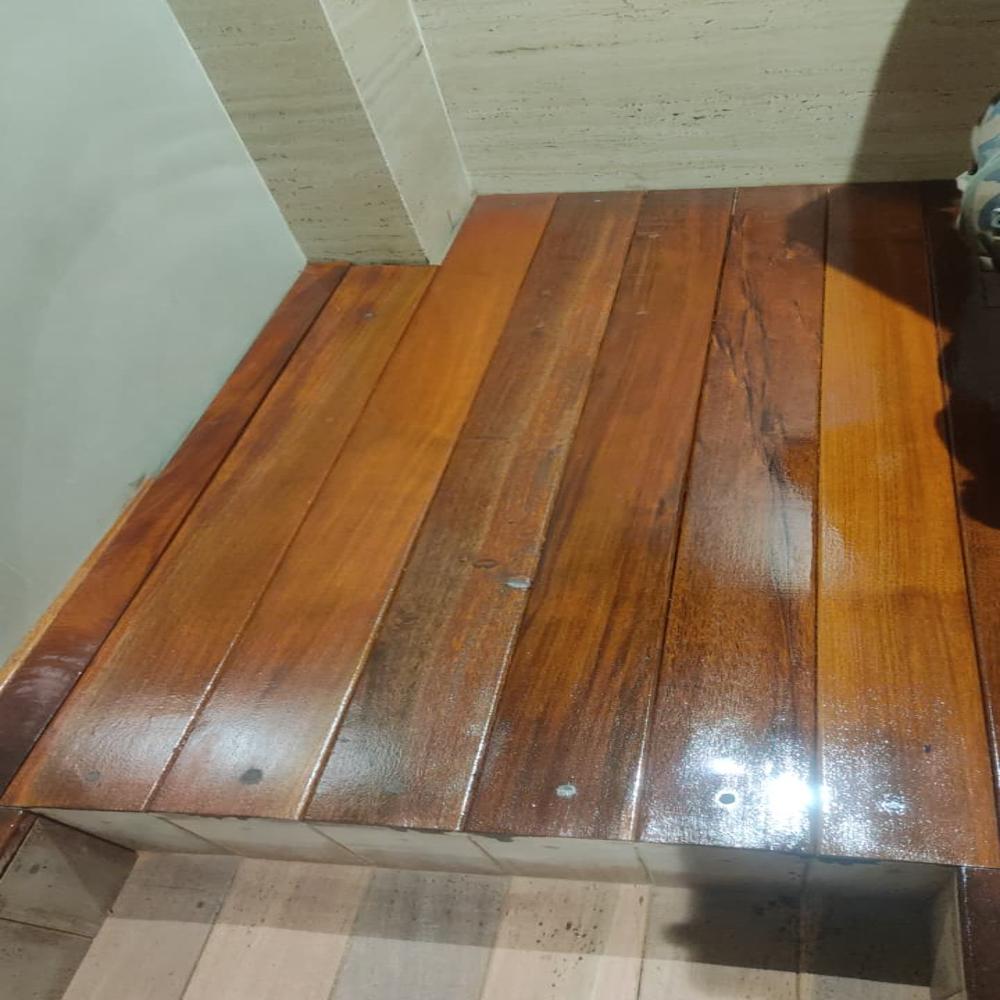
Superior Durability for Outdoor UseIPE WOOD is designed specifically for outdoor environments, featuring advanced resistance to moisture, acids, alkalis, and cracking. Its engineered core ensures stability and long-term durability, making it a reliable choice for various external constructions.
Environmental and Health AdvantagesThis product adheres to E3 formaldehyde emission standards, ensuring lower indoor air pollution and making it a safer choice for both users and installers. Its eco-friendly construction contributes to sustainable practices in the building industry.
Excellent Structural PerformanceWith a high load capacity of 100 pounds and impressive density, IPE WOOD offers outstanding screw-holding strength. These features make it suitable for demanding applications where mechanical reliability is essential.
FAQ's of IPE WOOD:
Q: How is IPE WOOD produced to ensure its strength and moisture resistance?
A: IPE WOOD is engineered with an Ash tree core and Oak back, bonded with E1 and Melamine glue to enhance resistance to moisture and maintain structural integrity. This process makes the wood suitable for outdoor use and helps prevent warping or cracking.
Q: What makes IPE WOOD environmentally friendly and safe?
A: IPE WOOD adheres to E3 formaldehyde emission standards, resulting in reduced indoor air contamination. It's constructed from responsibly sourced materials and uses adhesives that help minimize environmental impact, making it both eco-friendly and safe.
Q: Where can I use IPE WOOD most effectively?
A: Due to its moisture-proof and alkaline-resistant properties, IPE WOOD is ideal for outdoor projects such as decks, exterior cladding, and garden structures. Its durable finish and robust load capacity ensure reliable performance in challenging environments.
Q: When should I consider using IPE WOOD over other wood options?
A: If your project demands high strength, moisture resistance, and longevity-such as in outdoor or high-wear applications-IPE WOOD stands out due to its anti-cracking, wear-resistant, and strong screw-holding features.
Q: What is the process for installing IPE WOOD in outdoor projects?
A: Installation involves securing the wood with compatible screws or fasteners, leveraging its strong screw-holding capability. Its smooth and textured finishes allow flexibility in design, and its size tolerance ensures precision in fitting.
Q: How does IPE WOOD benefit long-term outdoor installations?
A: Its resistance to moisture, alkalis, acids, and cracks, along with a high density and strong structural features, provides dependable performance for many years. This reduces maintenance needs and enhances the lifespan of outdoor constructions.