About wooden flooring
Wooden Flooring Description:
Wooden flooring is a type of flooring made from natural wood, offering a classic and elegant aesthetic. Its highly valued for its durability, aesthetic appeal, and versatility in both residential and commercial spaces. Wooden floors come in a variety of types, finishes, and textures, making them suitable for various styles and settings. They can be made from hardwoods like oak, maple, walnut, and cherry, or softwoods like pine and fir. Wooden flooring is typically available in planks, tiles, or strips and can be either solid or engineered wood.
Specifications:
-
Material:
- Hardwood Flooring: Made from solid wood species like oak, maple, walnut, cherry, etc.
- Engineered Hardwood Flooring: Composed of layers, with a top layer of hardwood veneer and multiple layers of plywood or MDF beneath it.
-
Size:
- Width: Varies, typically between 2-7 inches (5-18 cm).
- Length: Ranges from 12 inches to 72 inches (30 cm to 180 cm) or more, depending on design.
- Thickness:
- Solid wood: Typically 3/4 inch (19 mm) thick.
- Engineered wood: 3/8 inch to 1/2 inch (10 mm to 12 mm) thick.
-
Finish:
- Unfinished: Raw wood that requires sanding and finishing on-site.
- Prefinished: Pre-sanded and finished at the factory, requiring minimal preparation before installation.
- Surface Finish Options:
- Matte
- Semi-gloss
- High-gloss
- Oil-based or water-based finishes
-
Wood Species:
- Hardwoods: Oak, Maple, Hickory, Cherry, Birch, Walnut, Ash, Teak, and Mahogany.
- Softwoods: Pine, Fir, Cedar.
-
Installation Methods:
- Nail or Staple Down: Common for solid hardwood flooring.
- Glue Down: Used for engineered wood or floating floors.
- Floating Floor: The planks interlock and do not require nails or glue.
- Click-Lock Installation: A type of floating floor that uses tongue and groove design.
-
Durability:
- Hardwood: Highly durable but may show scratches or dents over time.
- Engineered Wood: Generally more resistant to moisture and temperature fluctuations, making it suitable for areas like basements or kitchens.
-
Moisture Resistance:
- Solid wood is more sensitive to moisture and humidity changes.
- Engineered wood can handle moisture better, as it is constructed with multiple layers that provide more stability.
-
Maintenance:
- Regular sweeping or vacuuming to remove dirt and grit.
- Occasional mopping with a wood-friendly cleaner.
- Refinishing may be required over time, especially for solid wood.
-
Environmental Considerations:
- Sustainable sourcing of wood is crucial for eco-friendly flooring.
- Many manufacturers use eco-friendly finishes and adhesives.
-
Cost:
- Solid wood tends to be more expensive than engineered wood.
- Price varies based on wood species, finish, and installation complexity.
Advantages of Wooden Flooring:
- Natural and timeless beauty.
- Long-lasting and durable.
- Can be refinished multiple times.
- Adds warmth and value to a home.
- Easy to clean and maintain.
Disadvantages of Wooden Flooring:
- Can be scratched or dented.
- Sensitive to moisture and humidity.
- Higher cost compared to other flooring types like vinyl or carpet.
Wooden flooring is a great investment for any home or business, providing timeless beauty and durability when cared for properly.
Exceptional Moisture ResistanceWith zero moisture content and water absorption, this oak wooden flooring ensures lasting performance even in humid conditions. The laminate technics prevent warping or swelling, making it a reliable choice for various climates.
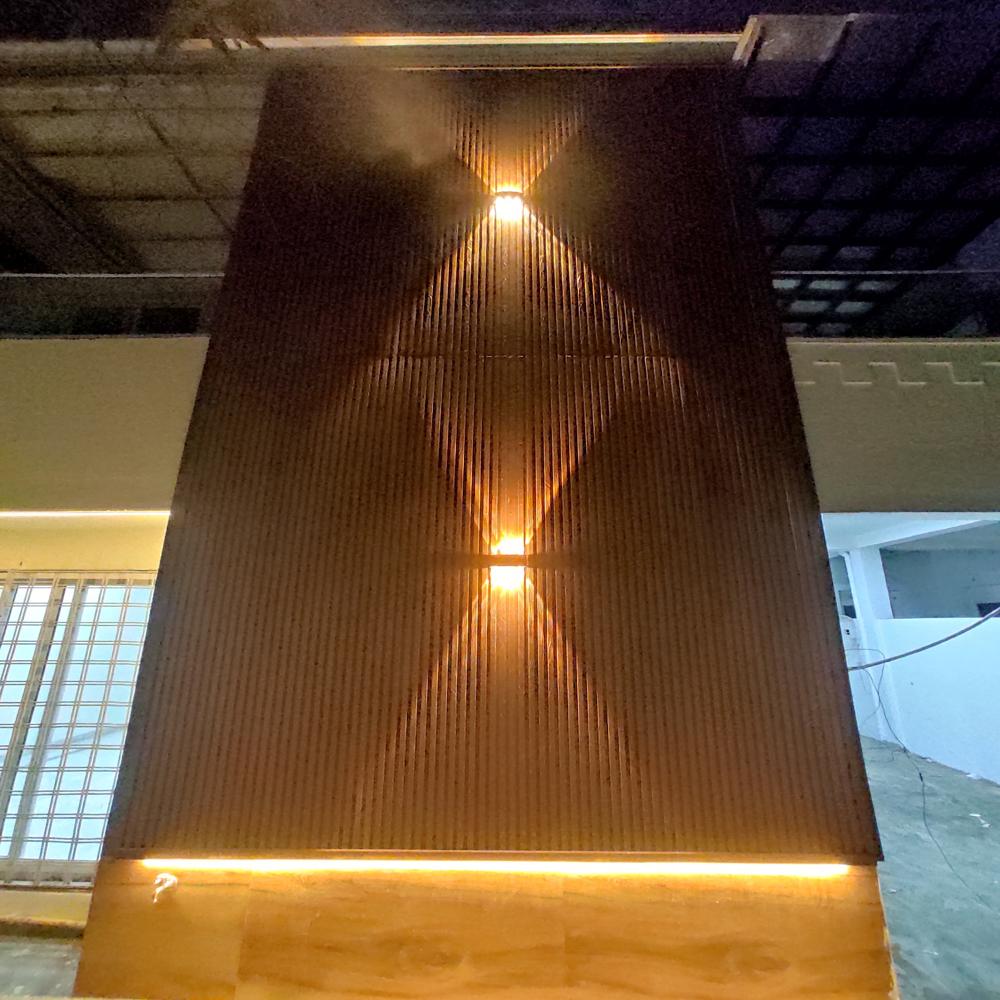
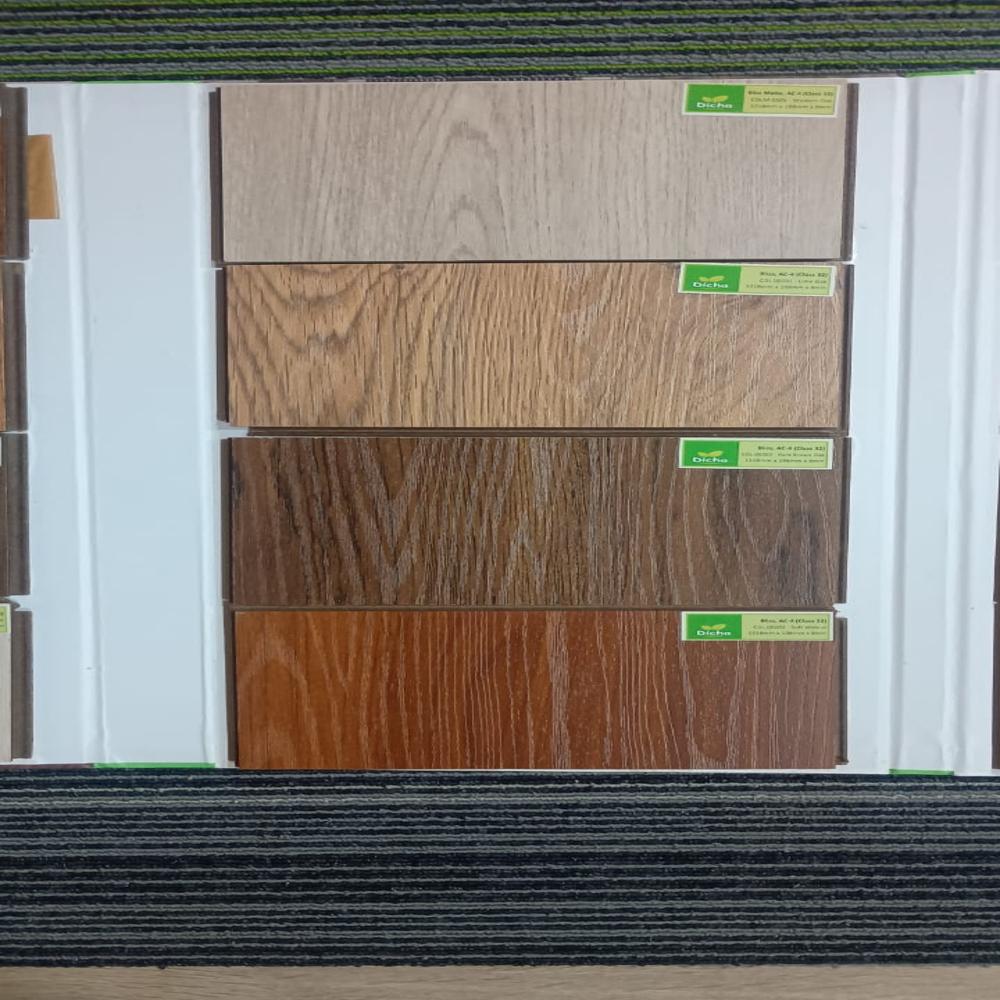
Versatile Aesthetic AppealThe natural finish and multicolor options allow this wooden flooring to complement diverse decor styles. Its square-edged design and oak material offer a sophisticated look suitable for modern and traditional interiors alike.
FAQ's of wooden flooring:
Q: How is the wooden flooring installed?
A: The oak laminate flooring with square edges is designed for hassle-free installation, typically using a click-lock or tongue-and-groove system. It is ideal to consult a professional installer or request installation services from the supplier.
Q: What makes this flooring suitable for humid or moisture-prone areas?
A: Thanks to zero moisture content and water absorption properties, this flooring remains stable and resists deforming, making it ideal for kitchens, hallways, or other areas exposed to occasional moisture.
Q: When should I consider choosing this type of wooden flooring?
A: This wooden flooring is perfect when you desire a combination of durability, low maintenance, and an elegant appearance, suitable for both new projects and renovations.
Q: Where can I purchase this oak laminate wooden flooring in India?
A: You can buy this flooring from authorized retailers, suppliers, service providers, and traders throughout India. Many providers also offer consultation and installation services.
Q: What is the process involved in the surface treatment of this flooring?
A: The flooring undergoes a natural color surface treatment, maintaining the authentic grain and warmth of oak wood while enhancing durability with a protective laminate coating.
Q: How can I maintain and clean my wooden flooring?
A: Regular sweeping and occasional damp mopping with a mild cleaner are sufficient. The flooring's moisture-resistant surface makes upkeep simple, without the need for waxing or heavy polishing.
Q: What are the primary benefits of choosing this oak laminate flooring?
A: The key advantages include its robust water resistance, wide range of colors, ease of installation, durable oak construction, and adaptability to various room designs and usage needs.






 Send Inquiry


 Send Inquiry
