What Is an HPL Sheet?
HPL (High Pressure Laminate) sheet is a decorative and protective surfacing material made by compressing multiple layers of kraft paper impregnated with thermosetting resins under high heat and high pressure. It is widely used for furniture, cabinetry, wall paneling, partitions, countertops, and exterior cladding.
1. Composition & Manufacturing Process
Layers Structure
-
Overlay Layer
Transparent protective layer with high abrasion and scratch resistance.
-
Decorative Paper Layer
Printed paper that provides the color, pattern, woodgrain, stone finish, or solid design.
-
Core Layers (Kraft Paper)
Several layers of kraft paper impregnated with phenolic resin for strength and durability.
Manufacturing Process
2. Technical Specifications
| Property |
Standard Range |
| Thickness |
0.6 mm to 25 mm |
| Standard Size |
1220 2440 mm (4' 8') |
| Density |
13501450 kg/m |
| Surface Finish |
Matte, Glossy, Textured, Suede, Woodgrain |
| Water Resistance |
High |
| Fire Rating |
Class B / Class A (Fire Retardant Grade available) |
| Impact Resistance |
High |
| Scratch Resistance |
Excellent |
| UV Resistance |
Available in exterior grade |
| Bending Strength |
80120 MPa |
| Thermal Resistance |
Up to 180C (short duration) |
3. Types of HPL Sheets
1 Interior Grade HPL
-
Used for furniture, cabinets, wall panels
-
Standard decorative laminate
2 Exterior Grade HPL
-
UV resistant
-
Weatherproof
-
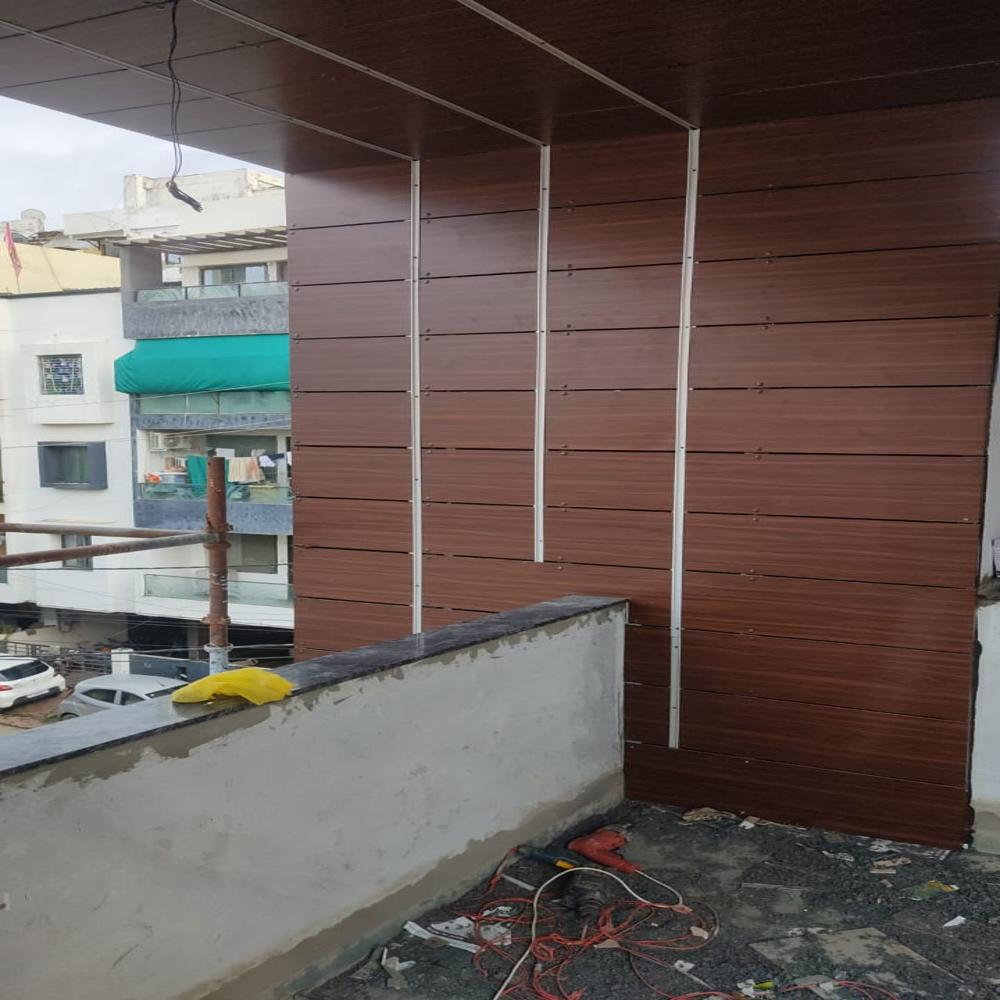
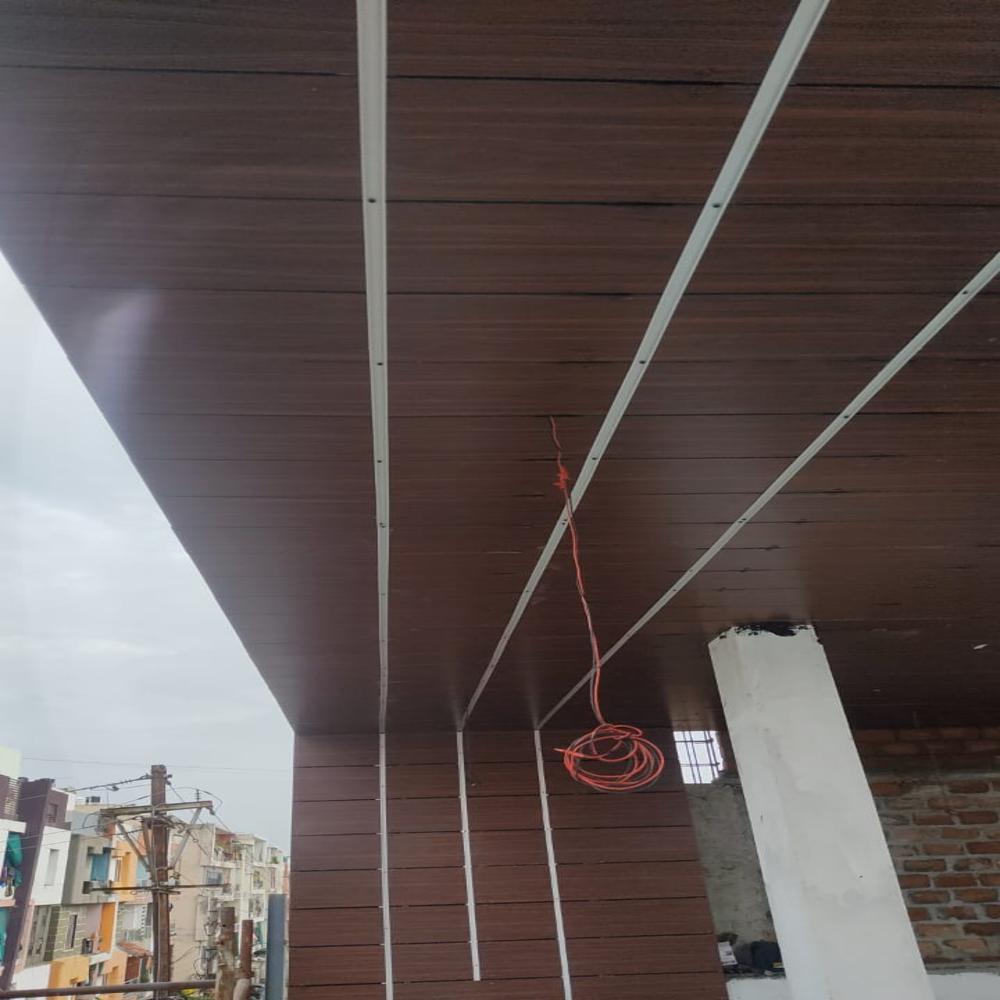
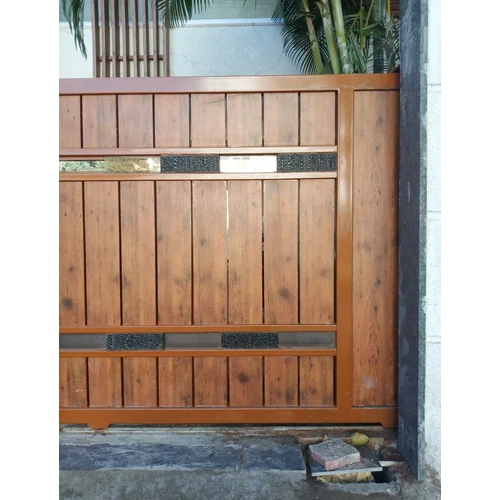
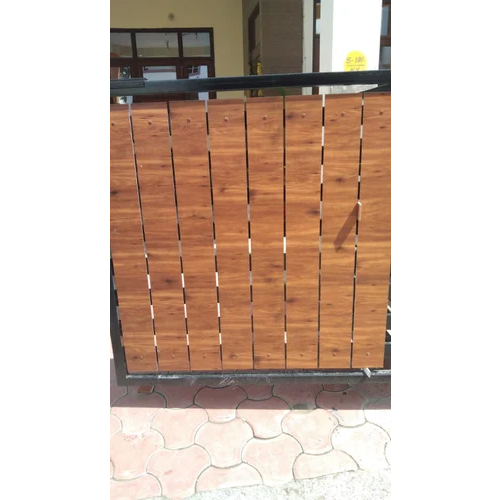
Used for faade cladding
3 Fire Retardant HPL
4 Compact Laminate (Solid Grade HPL)
-
Thick self-supporting panel (6mm25mm)
-
Used for toilet cubicles, lockers, lab furniture
4. Applications / Uses
Residential Uses
-
Kitchen cabinets
-
Wardrobes
-
TV units
-
Wall paneling
-
Tabletops
-
Doors
Commercial Uses
-
Office workstations
-
Retail counters
-
Hospital furniture
-
School furniture
-
Toilet partitions
Exterior Uses
-
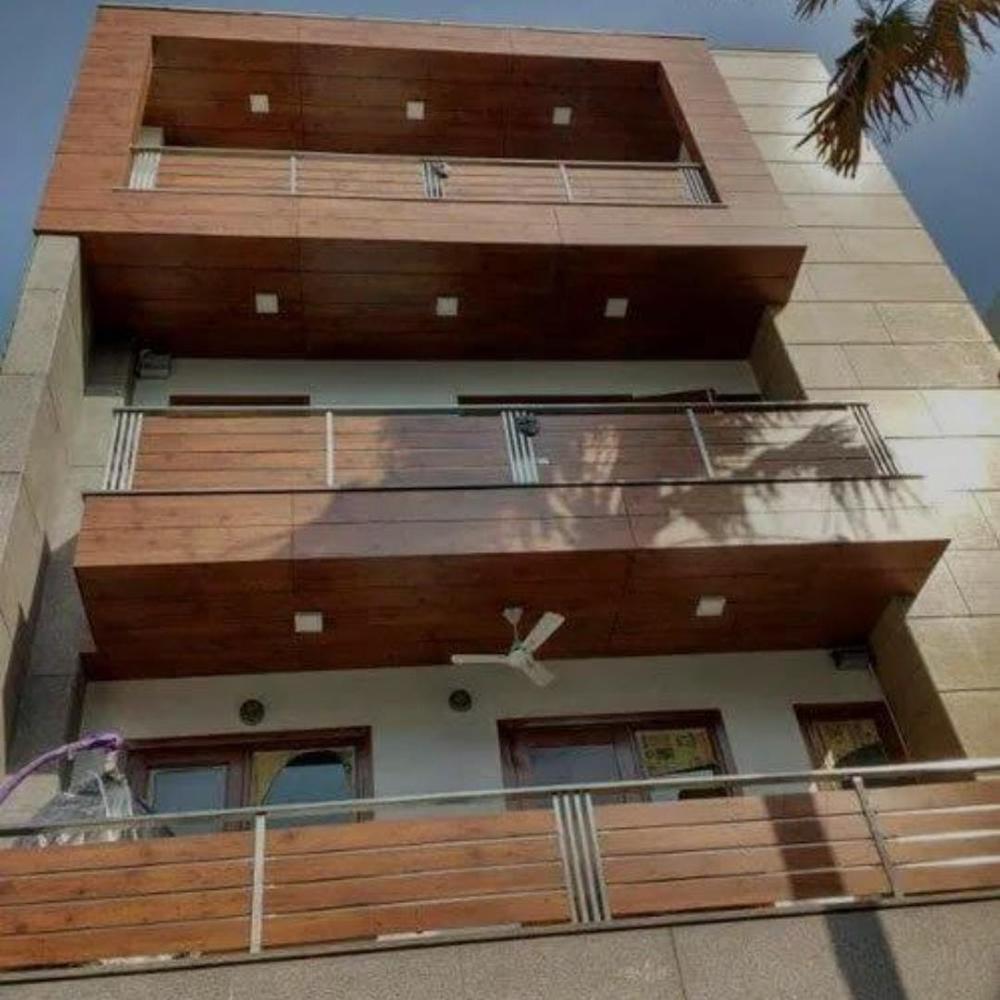
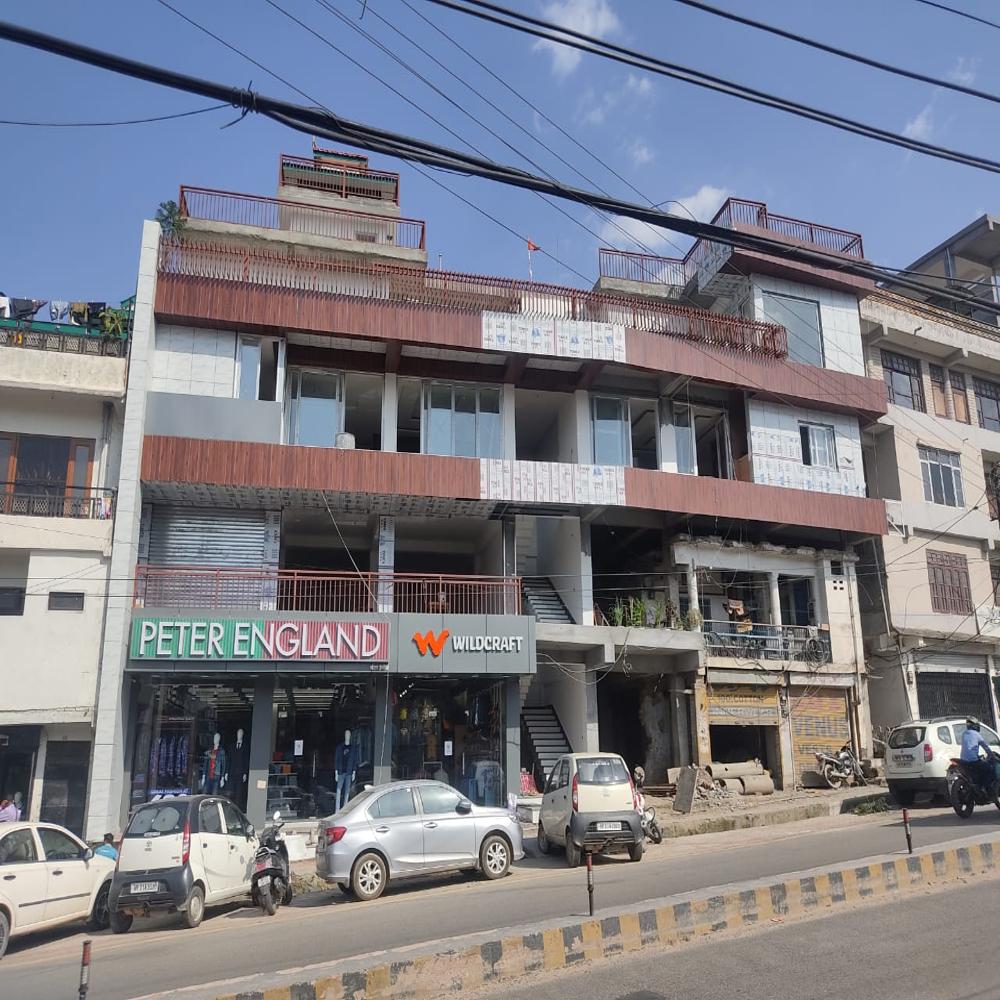
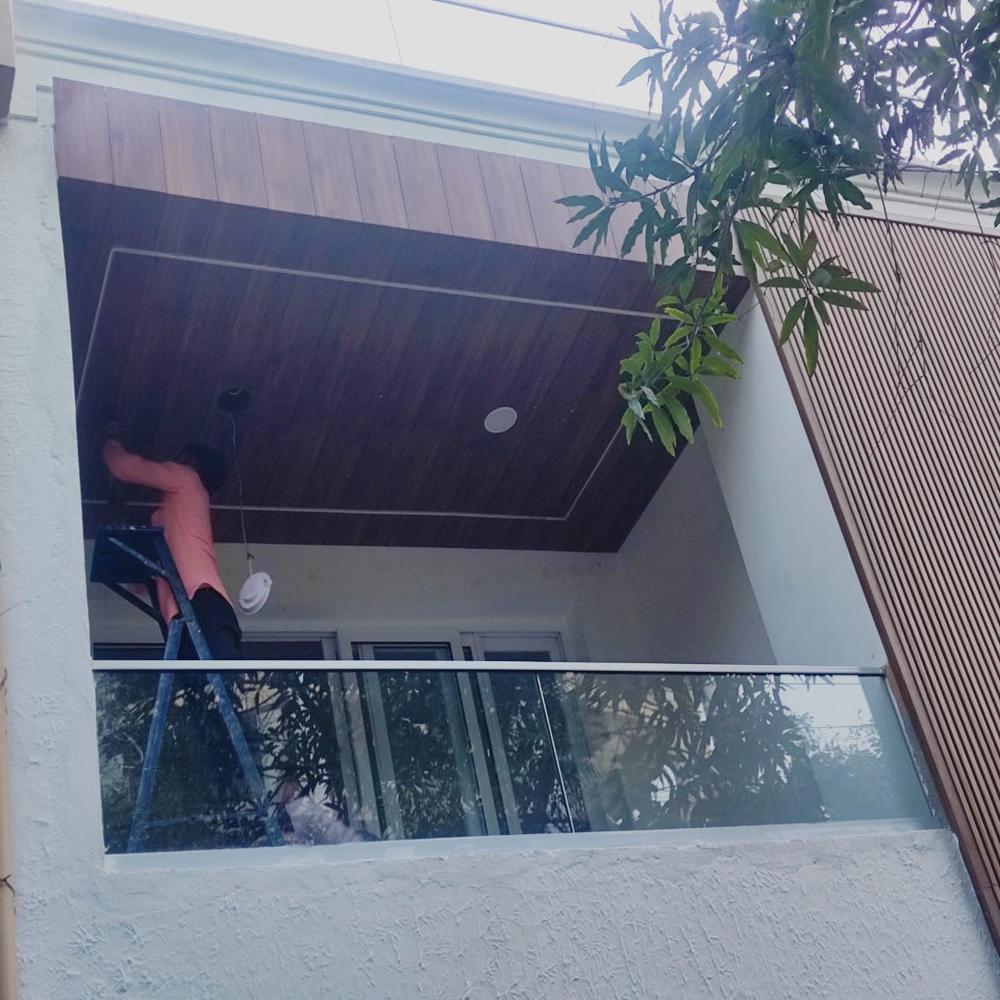
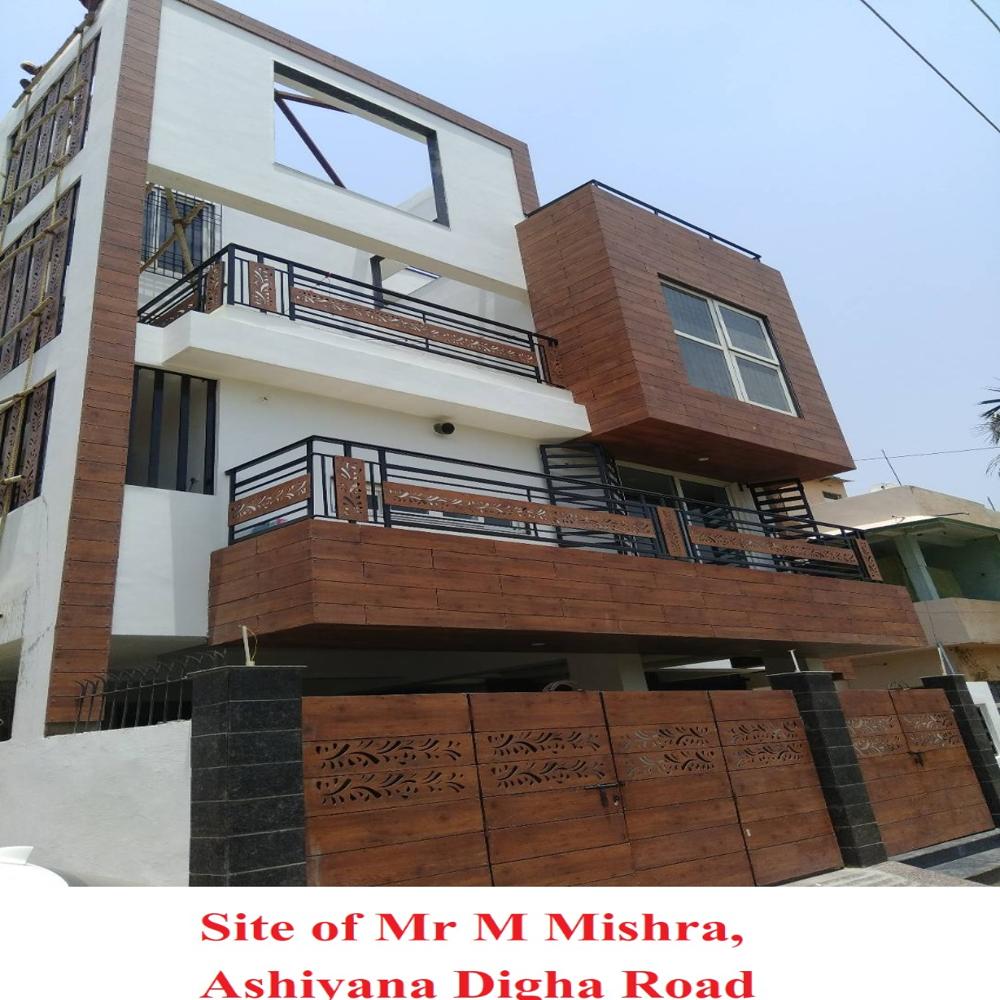
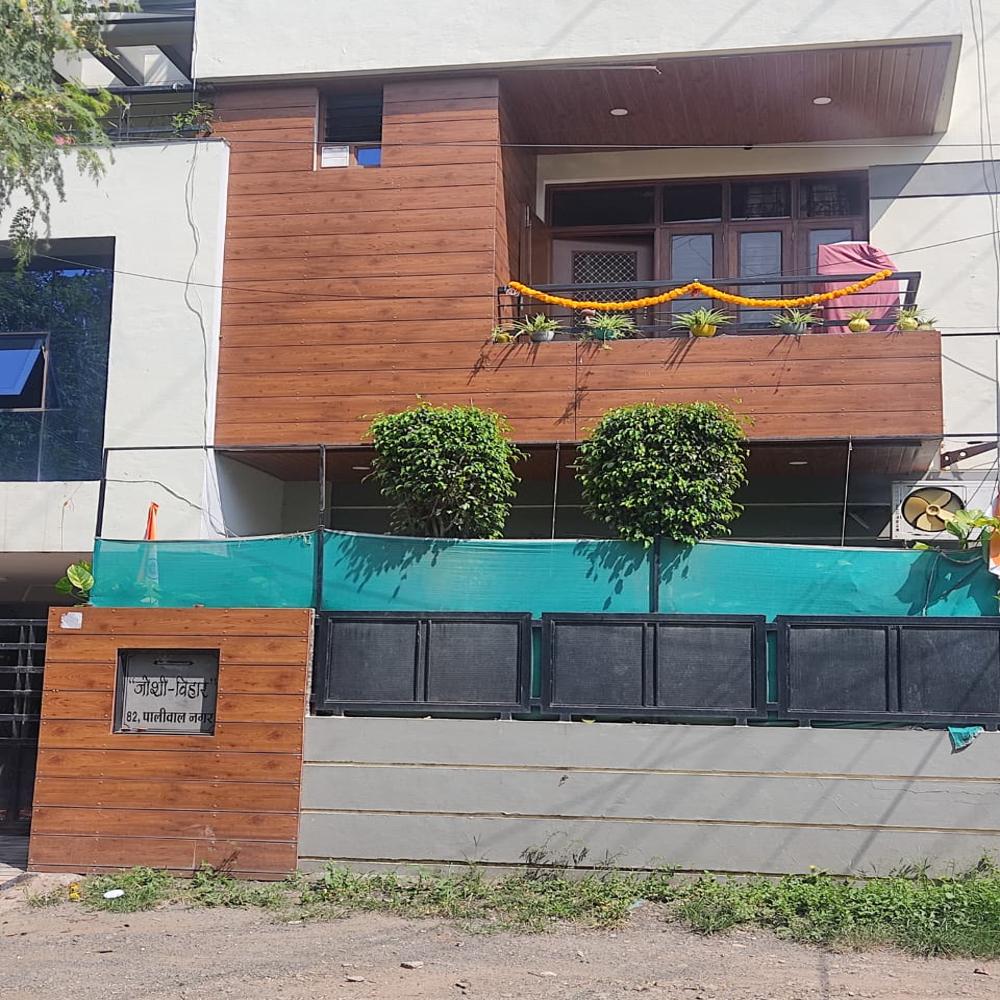
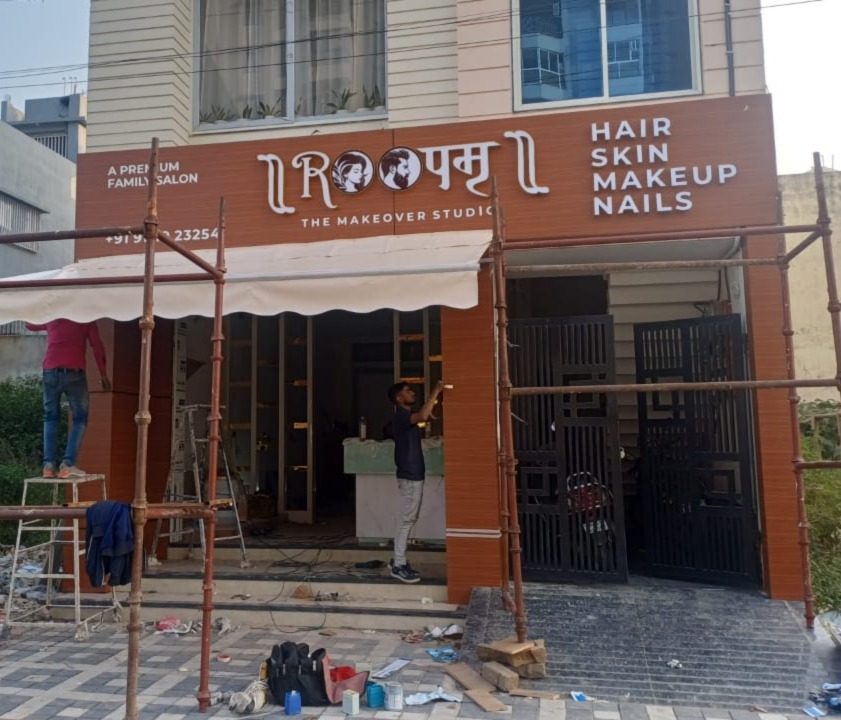
Building faade cladding
-
Balcony panels
-
Outdoor signage
5. Advantages of HPL Sheets
Highly durable
Scratch & impact resistant
Moisture resistant
Easy maintenance
Large design variety
Cost-effective compared to veneer or solid wood
Hygienic surface
6. Limitations
Cannot be repaired easily if deeply damaged
Edge finishing required
Requires proper substrate (MDF / Plywood) for thin laminates
7. Installation Method
-
Apply adhesive (Fevicol SR / contact adhesive)
-
Press laminate on plywood/MDF
-
Use roller for bubble removal
-
Trim edges with router
-
Edge banding for finishing