About Modern elevation HPL sheets
High-Pressure Laminate (HPL) is a dense, durable decorative surfacing material manufactured by fusing multiple layers of resin-impregnated paper under intense heat and pressure. It is widely used for furniture, countertops, wall paneling, and exterior facades due to its resistance to wear, moisture, and impact.
1. Composition & Structure
HPL consists of roughly 6070% cellulose paper and 3040% thermosetting resins, compressed at temperatures above 120C (248F) and pressures exceeding 5 MPa (7251,400+ PSI).
- Protective Overlay: A translucent top layer saturated with melamine resin that provides resistance against scratches, heat, stains, and UV rays.
- Decorative Layer: High-grade printed paper featuring solid colors, woodgrains, stone textures, or abstract designs, also impregnated with melamine resin.
- Core Layer: Multiple sheets of heavy kraft paper soaked in phenolic resin, which gives the laminate its structural rigidity, thickness, and impact strength.
2. Standard Sheet Sizes & Thicknesses
In India and international markets, HPL is categorized into two main forms based on thickness and application:
| Category |
Standard Thickness |
Standard Sheet Sizes |
Primary Applications |
| Standard Decorative HPL |
0.6 mm 1.5 mm (0.8 mm & 1.0 mm most common) |
8 4 ft (2440 1220 mm)
10 4.25 ft, 12 6 ft |
Glued onto plywood, MDF, or particleboard for cabinets, wardrobes, doors, and tabletops. |
| Compact HPL (Solid Grade) |
2 mm 25 mm (6 mm, 8 mm, 12 mm common) |
8 4 ft, 10 4.25 ft,
12 6 ft |
Self-supporting panels requiring no substrate; used for restroom cubicles, lab counters, and exterior cladding. |
3. Technical Specifications (IS 2046 / EN 438 Standards)
Quality HPL conforms to Indian Standard IS 2046 or European Standard EN 438. Key technical benchmarks include:
- Physical & Mechanical Properties:
- Bulk Density: 1.35 g/cm
- Tensile Strength: 60 115 N/mm
- Flexural Strength: 80 140 N/mm
- Dimensional Stability: 0.25% (longitudinal) and 0.50% (transverse) at elevated temperatures
- Surface & Durability Performance:
- Abrasion Resistance: 350 to 400+ revolutions (Taber test for standard horizontal/vertical grades)
- Impact Resistance: Withstands a 324 g steel ball dropped from 1,000 mm without cracking
- Dry Heat Resistance: Withstands up to 180C for 20 minutes without blistering or discoloration
- Boiling Water Resistance: < 1.5% thickness swelling and < 2.0% mass gain after 2 hours in boiling water
- Stain & Chemical Resistance: Unaffected by common household chemicals, mild acids, alkalis, coffee, and alcohol
- Safety & Environmental Ratings:
- Formaldehyde Emission: E1 / E0 grade (< 0.05 ppm), safe for indoor air quality
- Fire Retardancy: Available in standard grade or FR (Fire Retardant) Grade meeting Class 1 / B-s1, d0 ratings
4. Specialized HPL Variants
- Post-Forming Grade: Designed with flexible resins so the sheet can be heated and curved seamlessly around countertop edges and cabinet doors.
- Exterior Grade Compact HPL: Engineered with specialized acrylic-polyurethane UV weather shields to prevent fading and delamination outdoors.
- Anti-Fingerprint & Anti-Bacterial Grades: Treated surfaces ideal for hospitals, kitchens, and high-touch commercial spaces.
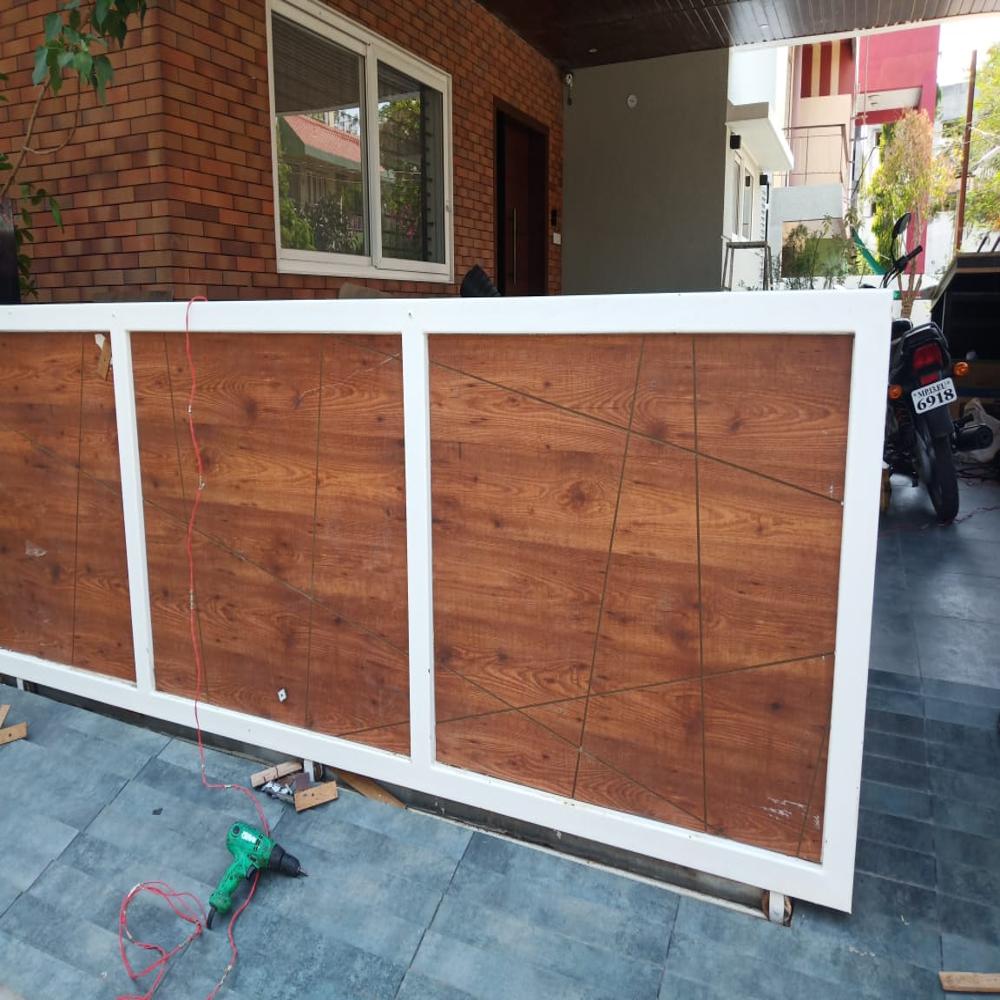
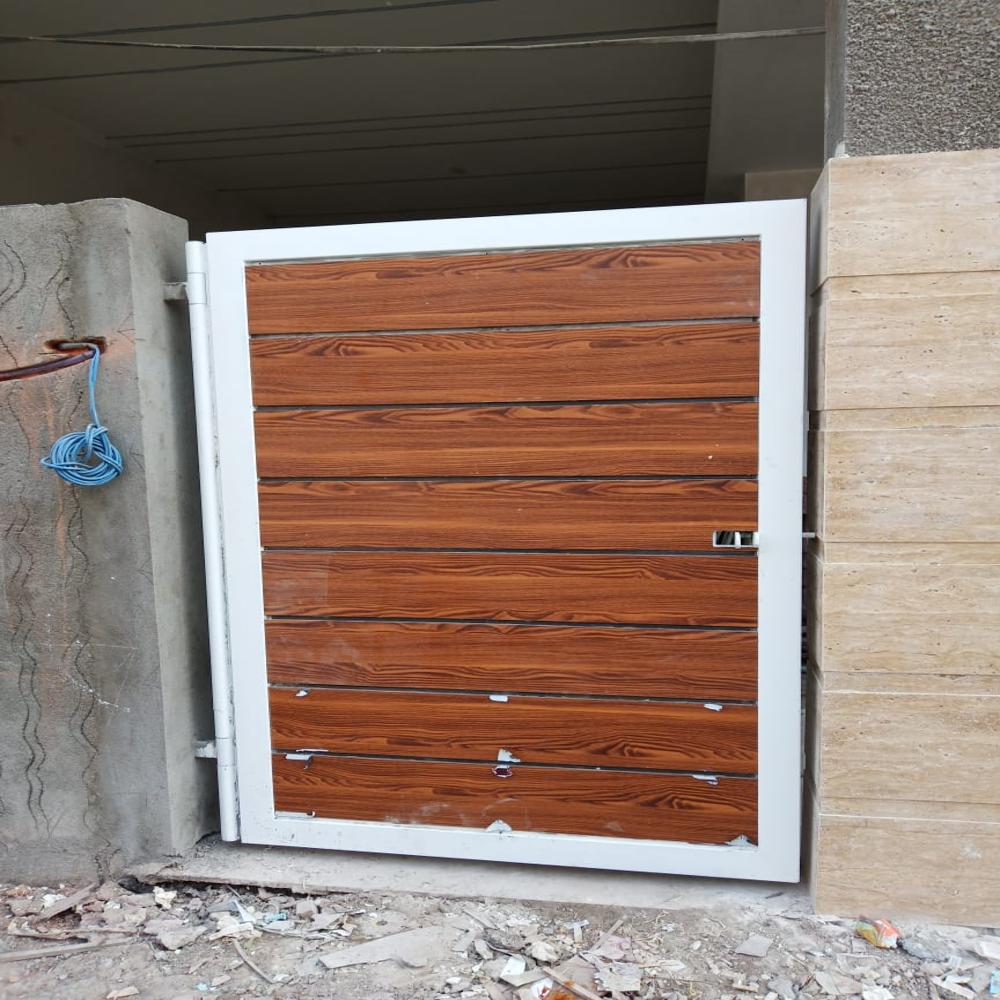
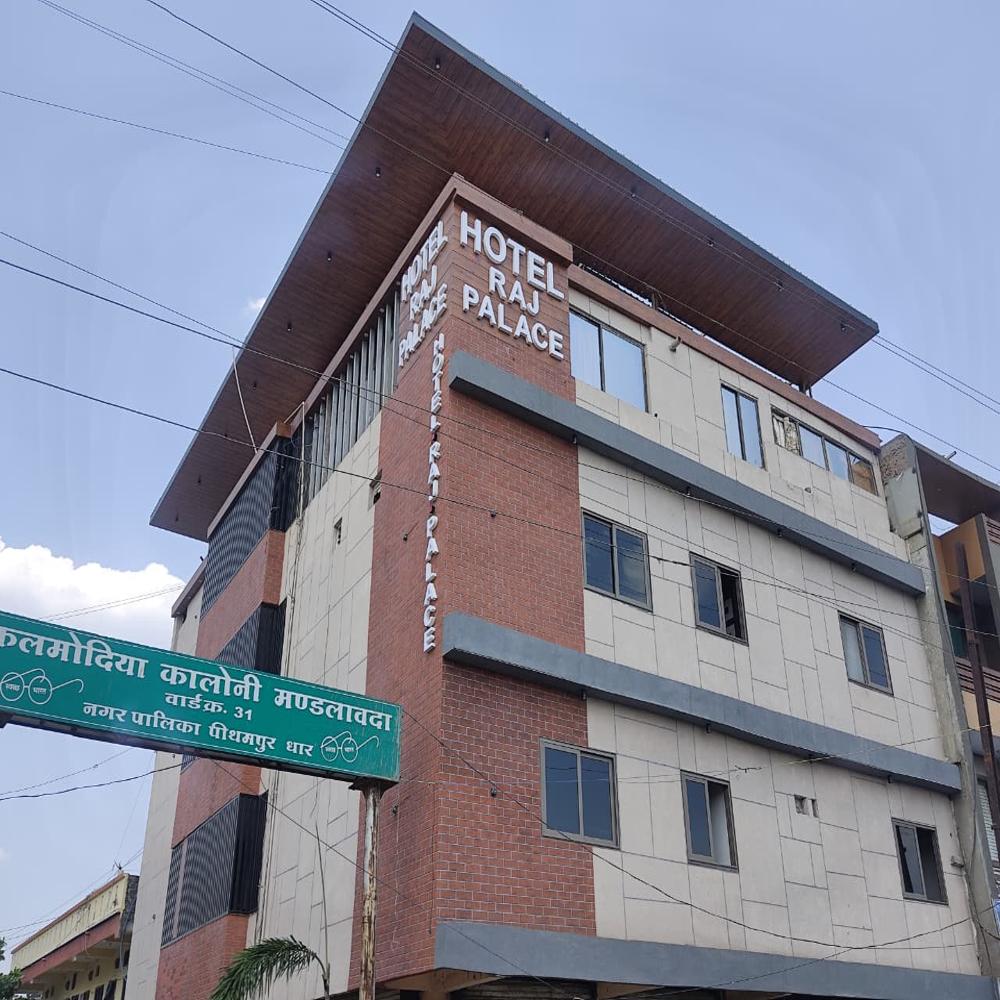
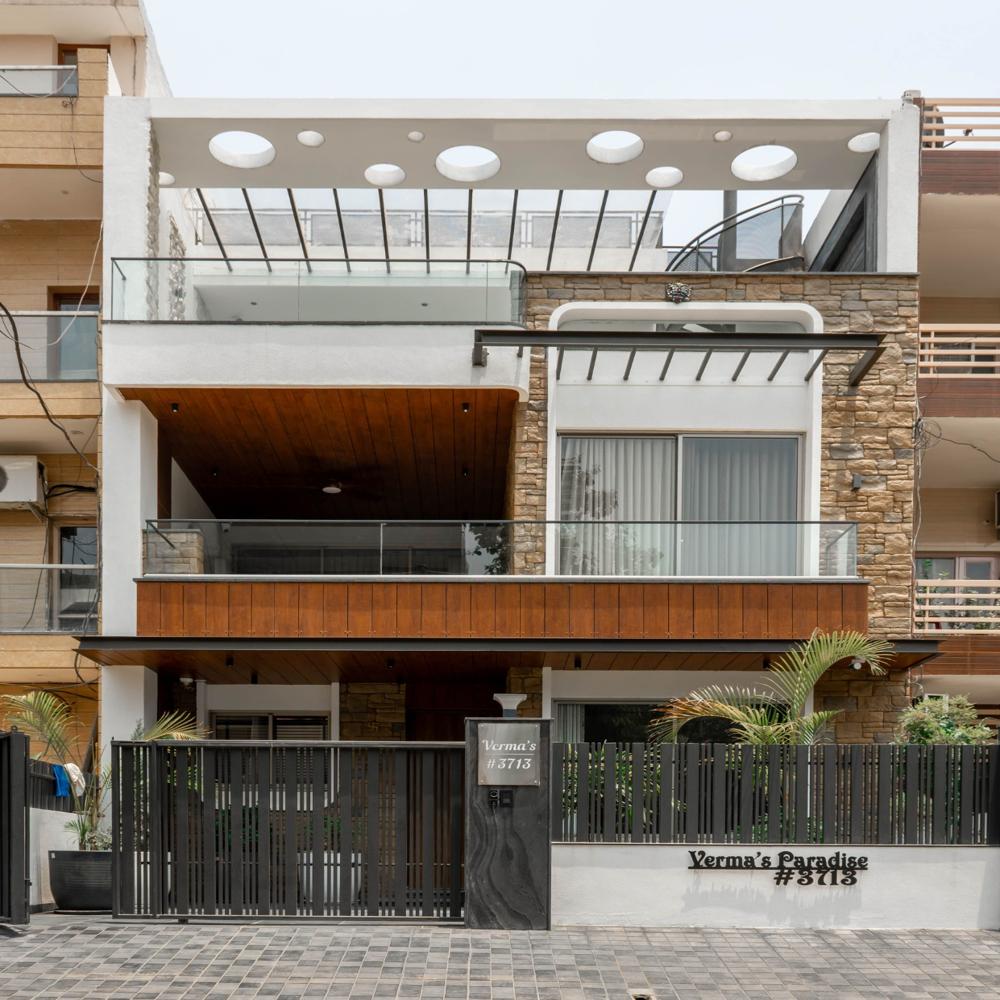
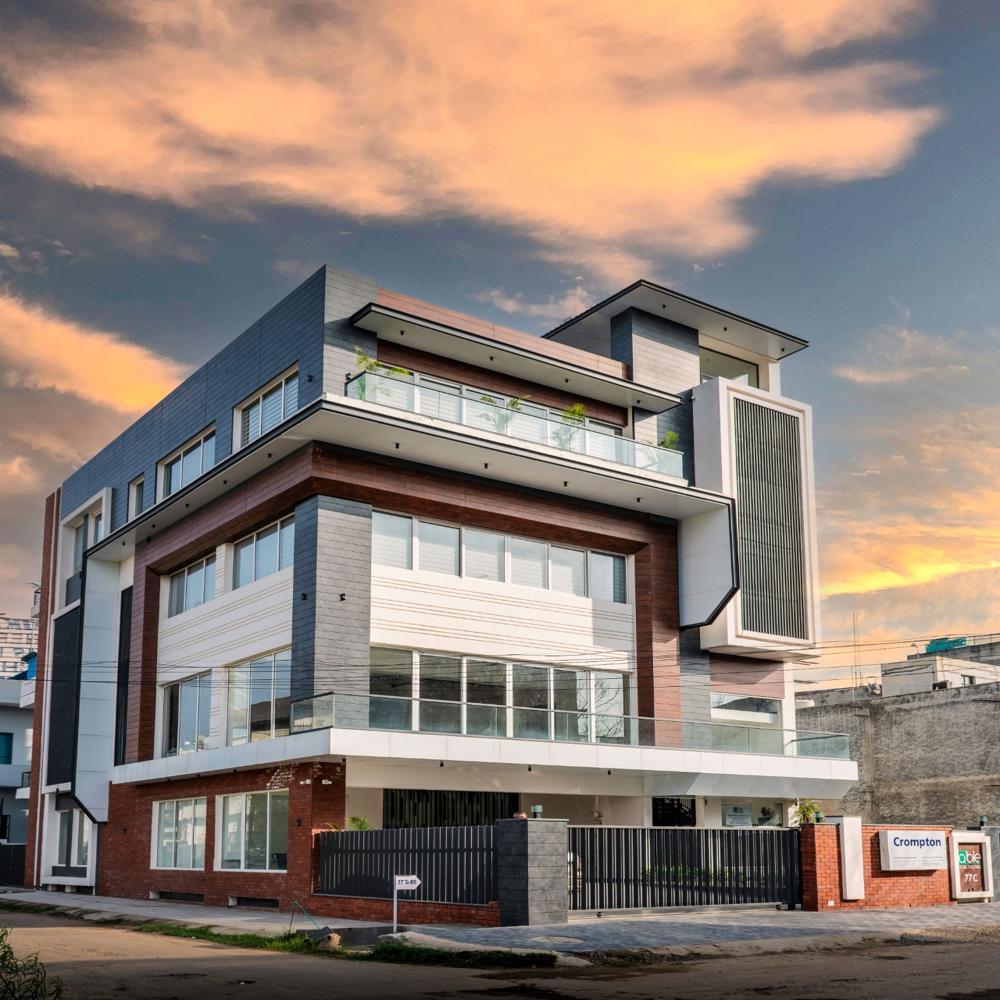
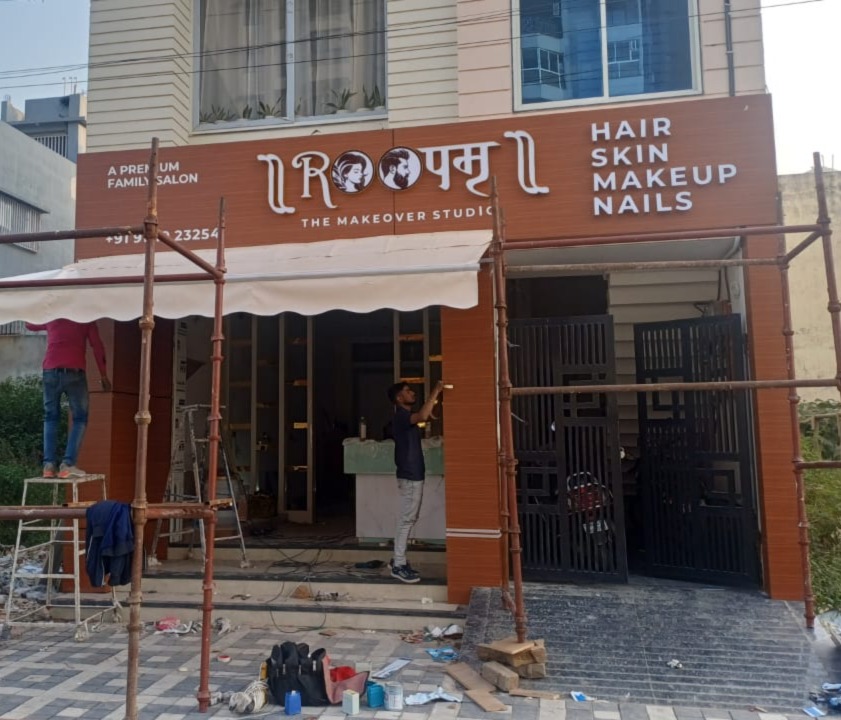
Contemporary Appeal with Matte Surface FinishThe matte finish of Modern elevation HPL sheets brings a contemporary touch to any wall design, offering subtle elegance and minimal glare. These sheets enhance the appearance of both residential and commercial buildings while providing a resilient protective layer against environmental factors.
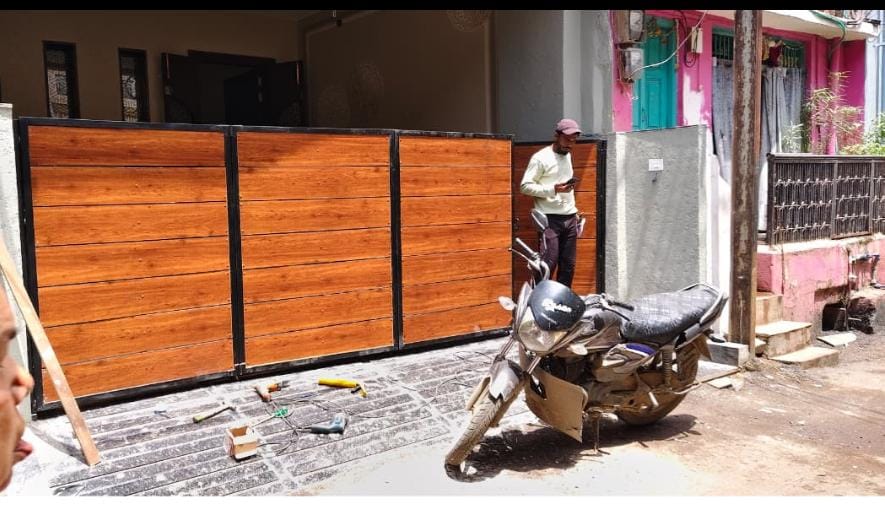
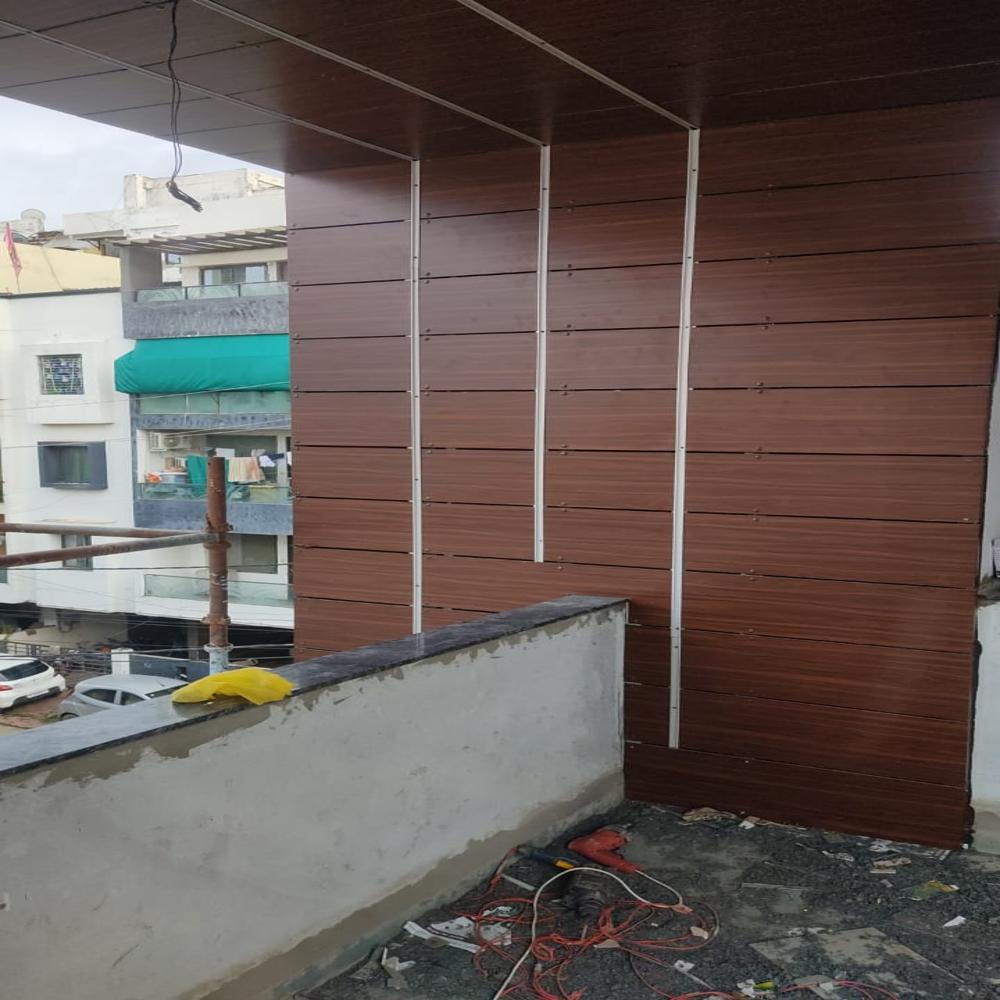
Effortless Installation and Versatile ApplicationDesigned for ease of use, these HPL sheets can be installed using adhesive on a structural insulated panel substrate. Their size and light weight enable quick site handling and adaptability, making them suitable for a variety of external wall applications, such as feature facades and modern elevations.
FAQ's of Modern elevation HPL sheets:
Q: How are Modern elevation HPL sheets installed on external walls?
A: These HPL sheets are generally affixed to external walls using strong adhesives, providing a seamless finish. They are designed to bond well with structural insulated panels for added stability and insulation in wall applications.
Q: What tools are required to cut these HPL sheets for installation?
A: A power saw is recommended for cutting the 6 mm thick HPL sheets. This ensures clean, precise edges and allows for customization to any wall dimensions during installation.
Q: When should I choose HPL sheets for my wall design project?
A: HPL sheets are ideal when you need a durable, weather-resistant, and visually appealing material for building exteriors or feature walls. Their matte surface and PVDF core make them suitable for both new construction and renovation projects.
Q: Where can Modern elevation HPL sheets be used effectively?
A: These sheets are perfect for use on external walls of commercial and residential buildings, including facades, balconies, and accent walls, where both looks and durability are priorities.
Q: What is the process of installing these wall sheets on a structural insulated panel framework?
A: The process involves preparing the structural insulated panel surface, cutting the HPL sheets to size, applying adhesive, and pressing the sheets firmly onto the wall frame, followed by curing as per adhesive manufacturer guidelines.
Q: How do the features of these HPL sheets benefit building exteriors?
A: The combination of a matte finish, PVDF core, and optimal dimensions provides long-lasting resistance to weather and wear, low maintenance, lightweight handling, and contemporary style to enhance a building's external walls.






 Send Inquiry


 Send Inquiry
