About WOODEN FLOORING (HERRINGBONE)
Herringbone Wooden Flooring Description:
Herringbone wooden flooring is a distinctive and elegant flooring pattern made from wooden planks arranged in a zigzag or chevron shape. The planks are typically laid at a 45-degree or 90-degree angle to each other, creating a V-shaped pattern. This design not only enhances the aesthetic appeal of a space but also adds a sense of depth and movement, making it a popular choice for both traditional and modern interiors.
Herringbone flooring can be made from various wood species such as oak, walnut, maple, or engineered wood, offering flexibility in terms of appearance and functionality. This flooring pattern is often associated with luxury and high-end interior design due to its sophisticated and timeless look.
Specifications:
-
Material:
- Solid Wood: Made from a single piece of wood, such as oak, maple, walnut, or ash.
- Engineered Wood: Made from layers of wood veneer and plywood, providing enhanced stability and moisture resistance, especially in areas prone to humidity changes.
-
Pattern:
- The signature Herringbone pattern features rectangular planks arranged in a zigzag shape.
- Chevron is another variation where the planks are cut at an angle to form a "V" shape, providing a more seamless look compared to traditional herringbone.
-
Size:
- Plank Width: Typically between 3 to 8 inches (7.5 cm to 20 cm).
- Plank Length: Often ranges from 12 to 36 inches (30 cm to 90 cm), though longer planks are available for a more dramatic effect.
- Thickness:
- Solid wood: Around 3/4 inch (19 mm).
- Engineered wood: Varies from 3/8 inch to 1/2 inch (10 mm to 12 mm).
-
Finish:
- Prefinished: Factory-coated with a protective finish, requiring minimal on-site work.
- Unfinished: Raw wood that requires finishing and sanding after installation.
- Surface Finish Options:
- Matte
- Semi-gloss
- High-gloss
- Satin finish
- Oil-based or water-based finishes
-
Wood Species:
- Hardwood: Common species used for herringbone flooring include Oak, Walnut, Maple, Ash, and Cherry.
- Softwood: Pine and other softwoods can also be used, though they are less common in high-end designs.
-
Installation Methods:
- Glue Down: Recommended for both solid and engineered herringbone flooring.
- Nail or Staple Down: More common for solid wood herringbone floors.
- Floating Floor: Engineered herringbone floors can be installed as a floating floor using a click-lock system, though its less common for high-end looks.
- Custom Installation: The herringbone pattern typically requires more precise installation compared to other flooring styles, often requiring professional installation.
-
Durability:
- Hardwood: Durable, though may be prone to scratching or denting over time.
- Engineered Wood: More stable in fluctuating temperatures and humidity, making it more resistant to warping compared to solid wood.
-
Moisture Resistance:
- Solid Wood: Can be affected by moisture and humidity; best used in dry, climate-controlled environments.
- Engineered Wood: More moisture-resistant and stable, making it ideal for areas like kitchens, basements, and bathrooms, depending on the design.
-
Maintenance:
- Regular sweeping or vacuuming to avoid dirt and grit buildup.
- Wipe with a damp cloth, avoiding excess moisture.
- Periodic refinishing may be required, especially for solid wood.
-
Environmental Considerations:
- Sustainability: Look for FSC-certified wood or eco-friendly engineered wood options to ensure responsible sourcing.
- Low-VOC Finishes: Consider finishes with low volatile organic compounds for a healthier indoor environment.
-
Cost:
- Solid Wood: Higher-end, premium option that can be costly due to the intricacy of the pattern and material used.
- Engineered Wood: More affordable than solid wood but still offers an elegant, high-end appearance.
- Labor: Professional installation may be required, adding to the overall cost.
Advantages of Herringbone Wooden Flooring:
- Elegant and sophisticated aesthetic, perfect for both traditional and contemporary interiors.
- Durable and long-lasting when properly maintained.
- Versatile, as it works well in a variety of spaces, including living rooms, hallways, and offices.
- Adds a unique visual appeal and can increase the value of a property.
- Multiple wood species and finish options allow for customization.
Disadvantages of Herringbone Wooden Flooring:
- Higher installation complexity compared to regular wooden flooring, often requiring professional installation.
- Prone to scratching or denting, particularly with softer wood species.
- Can be more expensive due to the materials and installation effort involved.
- Regular maintenance required to preserve the finish and appearance.
Herringbone wooden flooring is ideal for those looking for a floor that makes a statement, blending classic beauty with modern functionality. Its an investment in both style and long-term durability.
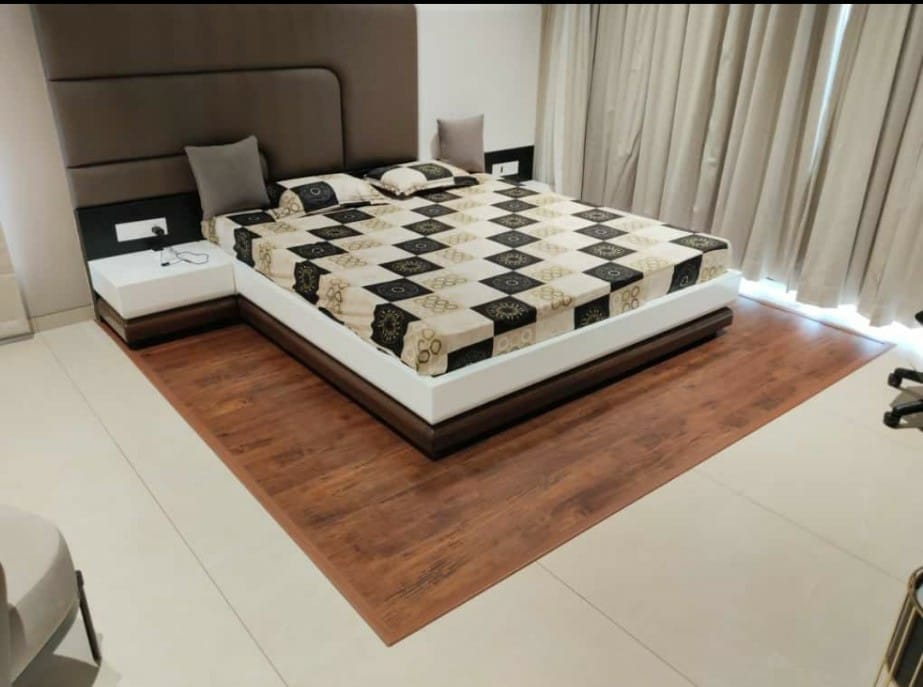
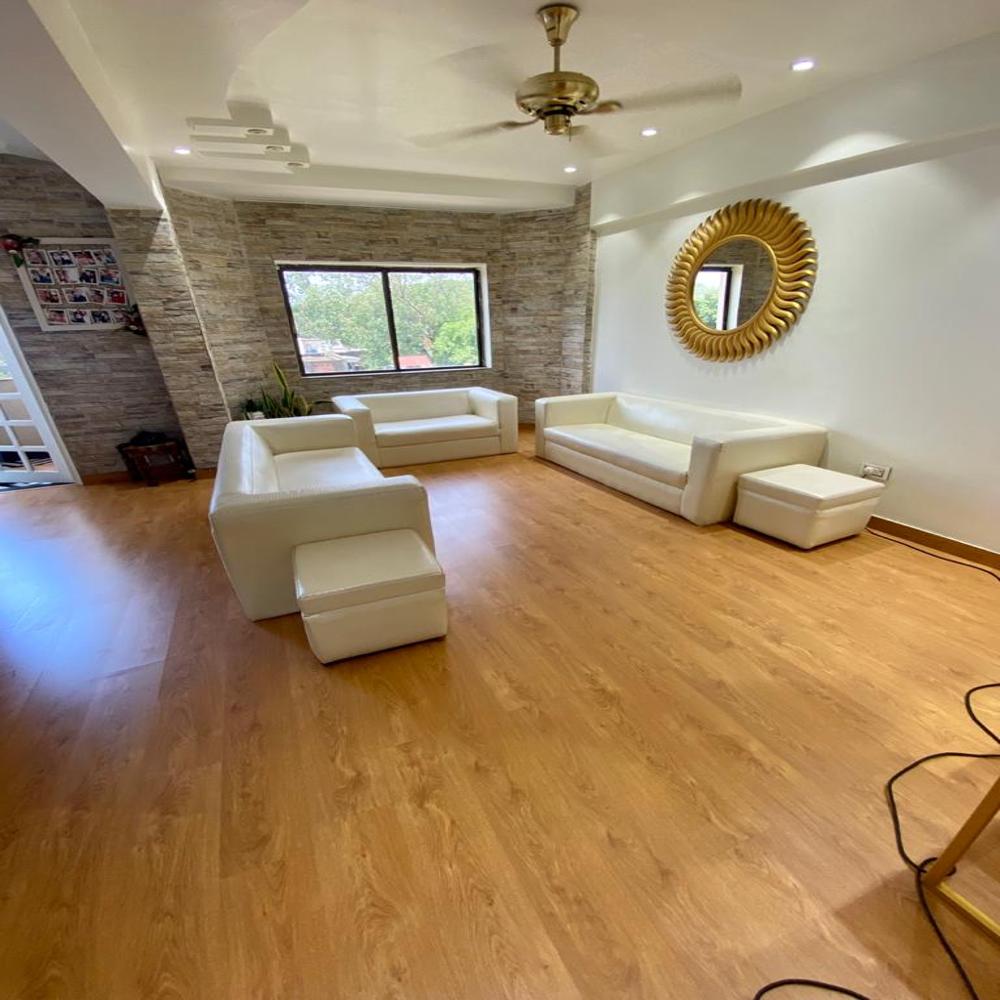
Stunning Herringbone DesignEnhance your interiors with the timeless elegance of herringbone wooden flooring. The natural oak color and realistic wood texture provide a sophisticated look, while the classic pattern adds visual interest to any room. Ideal for both modern and traditional spaces, this flooring style elevates your decor with its unique aesthetic appeal.
Durability Meets Easy MaintenanceOur PVC-based laminate flooring offers exceptional strength and resistance to daily wear. The surface treatment protects against stains and scratches, making it perfect for high-traffic areas. Simple cleaning routines keep your floors looking pristine, ensuring long-lasting beauty with minimal effort. Experience hassle-free maintenance and durability with every step.
Professional Installation & Versatile ApplicationWe offer expert service throughout India, ensuring seamless delivery and installation of your herringbone wooden flooring. Suitable for homes, offices, commercial environments, and retail stores, our laminate planks adapt to a variety of settings. Our team provides guidance from selection to post-installation care, making the process smooth and efficient.
FAQ's of WOODEN FLOORING (HERRINGBONE):
Q: How is herringbone wooden flooring installed?
A: Herringbone laminate flooring is installed by arranging planks in a distinctive zigzag pattern. Our professional installation team uses precise measuring and alignment to ensure each 4" x 36" plank fits perfectly, resulting in a seamless, elegant look for your space.
Q: What benefits do I get from the natural color oak laminate flooring?
A: The natural color oak finish brings warmth and elegance to any room. It suits various interior styles and, thanks to the PVC laminate material, offers enhanced durability, resistance to stains, and easy cleaning, making it both beautiful and practical.
Q: Where can I use this herringbone laminate flooring?
A: This flooring is suitable for multiple locations, including living rooms, offices, commercial venues, and retail spaces. Its robust design and timeless style make it a versatile choice for both residential and business environments throughout India.
Q: What is the process for purchasing and installing the flooring?
A: Simply contact us to discuss your requirements. We'll help you choose the right options, arrange delivery, and schedule professional installation. Our service includes guidance on preparation and post-installation care for the best results.
Q: When is it best to select laminate herringbone flooring over traditional hardwood?
A: Laminate herringbone flooring is ideal when you need the luxurious look of wood at a more accessible price, with greater durability and easier maintenance. It is especially suitable for busy areas or locations prone to moisture, where traditional hardwood may not be practical.
Q: How do I maintain the appearance of my laminate herringbone floor?
A: Sweep or vacuum regularly to remove dust and debris. Use a damp cloth for cleaning spills and avoid excessive water. The protective surface treatment minimizes scratches and stains, helping keep your floor looking fresh with minimal upkeep.







 Send Inquiry


 Send Inquiry
