About HPL sheet elevation design
Exterior HPL (High-Pressure Laminate) cladding is a self-supporting, high-density architectural panel manufactured by fusing multiple layers of phenolic-resin-impregnated kraft paper with decorative surfaces under intense heat and pressure. Governed internationally by the
EN 438-6 standard (Grades
EGS/EDS for standard exterior use and
EGF/EDF for fire-retardant exterior use), these panels feature a specialized UV-resistant acrylic or polyurethane protective top layer designed to withstand harsh outdoor weather without fading or delaminating
Material Composition & Structure
Exterior-grade compact HPL sheets are built as a solid, non-porous sandwich structure cured into a single homogeneous board:
- Protective Weather Overlay. A double-hardened acrylic or electron-beam-cured polymeric film blocks ultraviolet (UV) radiation, acid rain, and pollution. [1, 2, 3]
- Decorative Design Paper. Melamine-resin-saturated dcor sheets provide realistic wood grains, stone textures, metallic finishes, or solid architectural colors on one or both sides. [1, 2, 3]
- Phenolic Kraft Core. Dozens of kraft cellulose layers saturated with thermosetting phenolic resin give the panel high flexural rigidity, impact resistance, and moisture immunity.
Key Architectural Benefits
- Weather & UV Stability. Panels resist prolonged solar exposure, heavy monsoon rain, frost, and thermal shock across temperatures ranging from -40C to +80C (with specialized grades rated even wider) without warping or chalking.
- Rear-Ventilated Facade Compatibility. Installed over an aluminum or galvanized steel subframe with an air gap, exterior HPL creates a ventilated rainscreen that reduces solar heat gain inside the building.
- Zero-Maintenance Surface. The non-porous surface prevents fungal, algal, and termite growth while allowing dirt or graffiti to wash off easily with water and mild detergent.
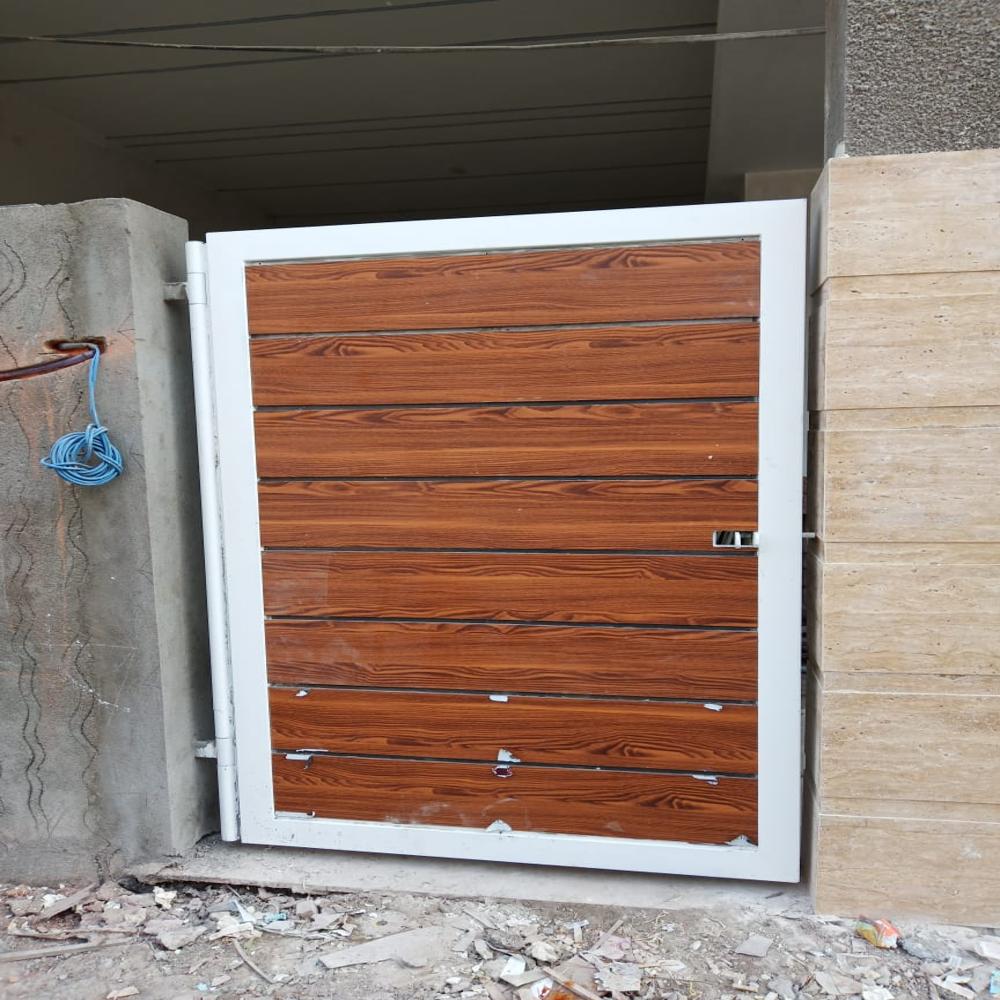
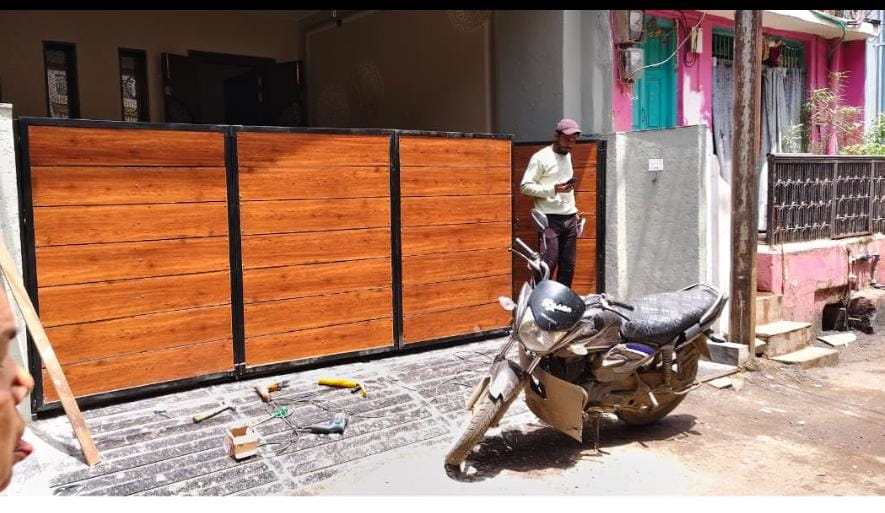
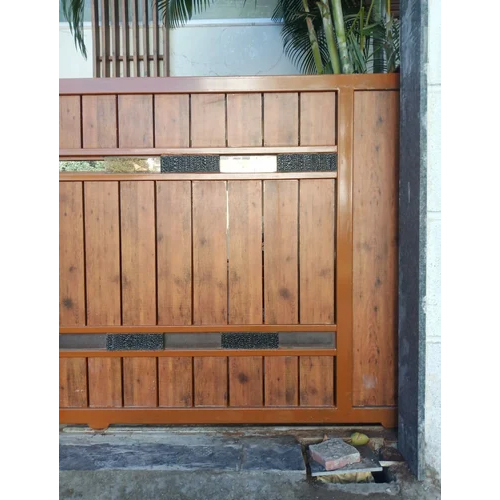
- Design Versatility. Leading architectural brands such as Fundermax India, Greenlam Clads, and Samrat HPL supply panels suitable for facades, balconies, soffits, louvers, gates, and pergolas. [1, 2, 3, 4, 5, 6, 7, 8, 9, 10]
Standard Technical Specifications
Exterior compact HPL panels must meet strict mechanical, physical, and fire-safety benchmarks under
EN 438-6 and
EN 13501-1: [
1,
2]
| Parameter |
Standard Specification / Value |
Test Reference |
| Classification Grades |
EGS / EDS (Standard Exterior) or EGF / EDF (Flame-Retardant Exterior) |
EN 438-6 |
| Standard Thicknesses |
6 mm (most common for facades), 8 mm, 10 mm, 12 mm |
EN 438-2 |
| Standard Sheet Sizes |
2440 1220 mm (8 4 ft), 3050 1300 mm (10 4.25 ft), 2800 1300 mm, 4100 1300 mm |
Manufacturer Standard |
| Bulk Density |
1,350 1,450 kg/m ( 1.35 g/cm) |
EN ISO 1183-1 |
| Flexural Strength |
80 MPa (N/mm) |
EN ISO 178 |
| Modulus of Elasticity |
9,000 MPa |
EN ISO 178 |
| Tensile Strength |
60 MPa |
EN ISO 527-2 |
| Impact Resistance |
Small ball: 20 N; Large ball (drop height): 1,800 mm (for 6 mm thickness) |
EN 438-2 |
| Dimensional Stability |
Longitudinal: 0.30%; Transverse: 0.60% |
EN 438-2 |
| Water Absorption / Swelling |
Water absorption: 6%; Thickness swelling: 2% |
EN 438-2 |
| UV Lightfastness |
Contrast Grey Scale Rating 4 to 5 (E < 5 after 3,000 hours Xenon-arc exposure) |
EN ISO 4892-2 / 4892-3 |
| Fire Reaction Class |
Euroclass B-s1, d0 or B-s2, d0 (Flame-retardant F-grade) |
EN 13501-1 |
| Thermal Conductivity |
0.30 0.50 W/(mK) |
EN 12664 |
Installation & Fixing Guidelines
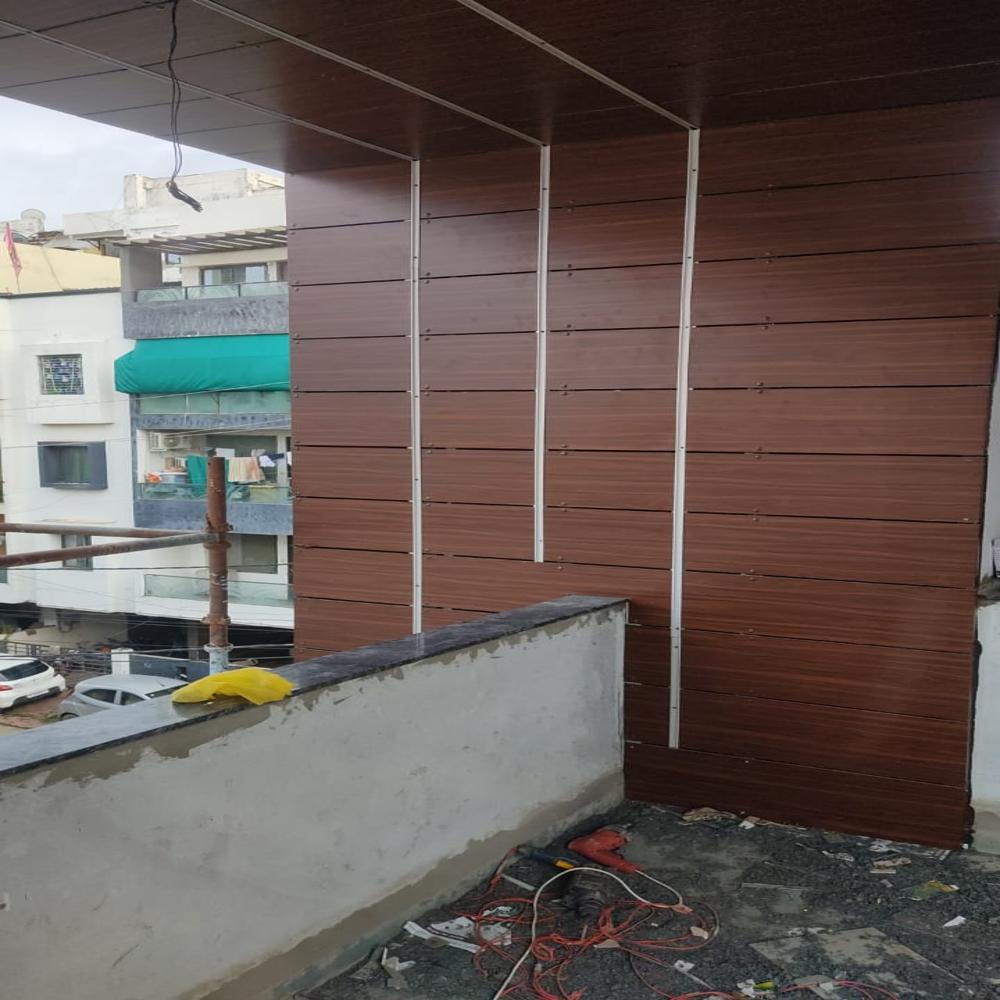
- Substructure Framing. Mount panels onto a corrosion-resistant extruded aluminum (typically 50 25 mm box profiles) or galvanized steel grid, leaving a 20 mm to 40 mm rear ventilation cavity. [1, 2]
- Fixing Methods. Panels can be installed with visible color-matched rivets/screws or concealed mechanical undercut anchors/grooving systems (avoid direct structural adhesive bonding on tall exterior facades). [1, 2, 3]
- Expansion Allowance. Drill oversized holes (typically 23 mm larger than the rivet shaft) with one fixed center point per panel and leave 8 mm to 10 mm expansion joints between adjacent sheets to accommodate thermal expansion and contraction. [1]
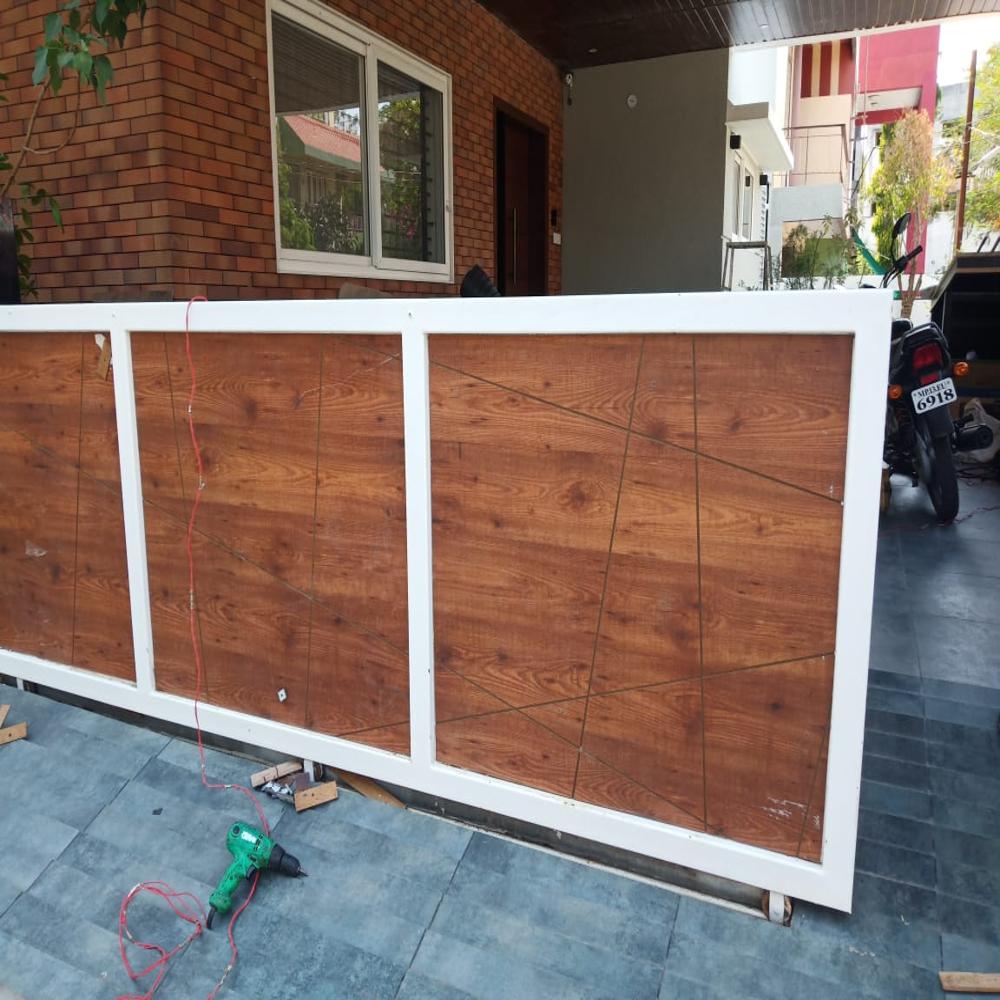
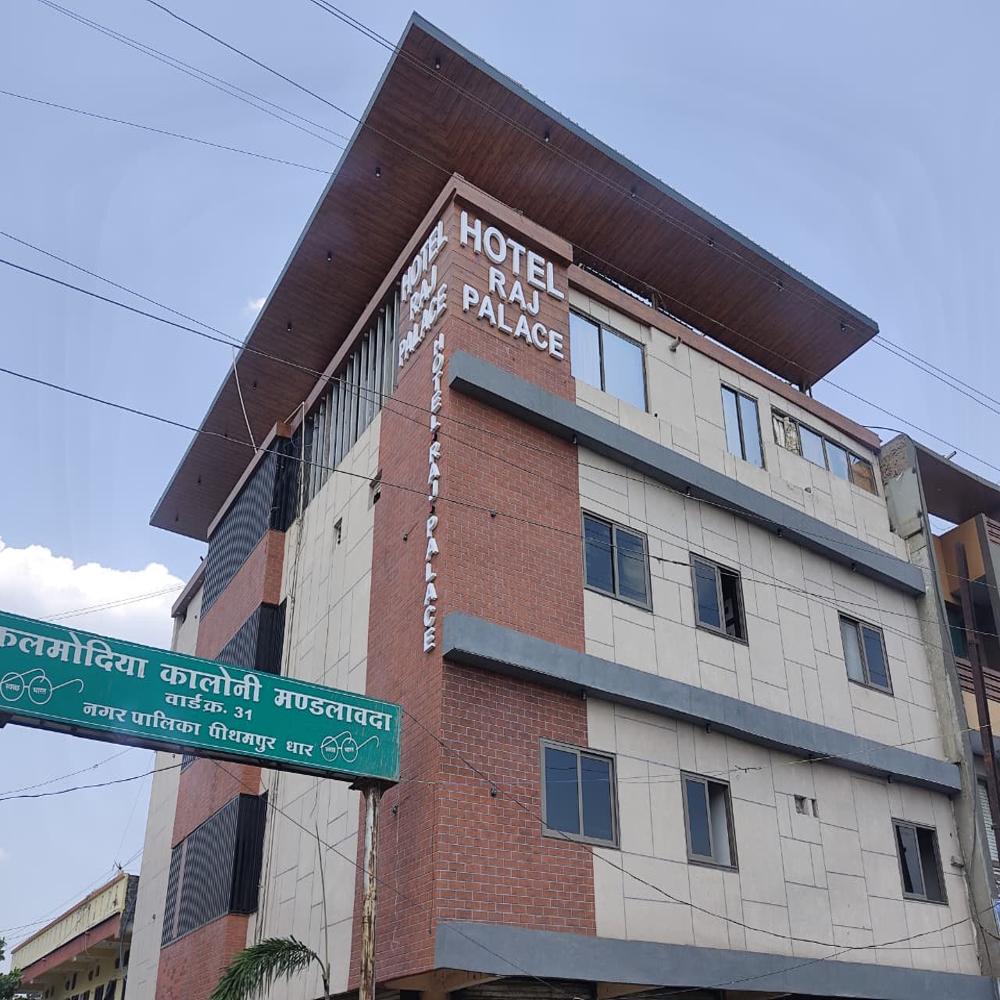
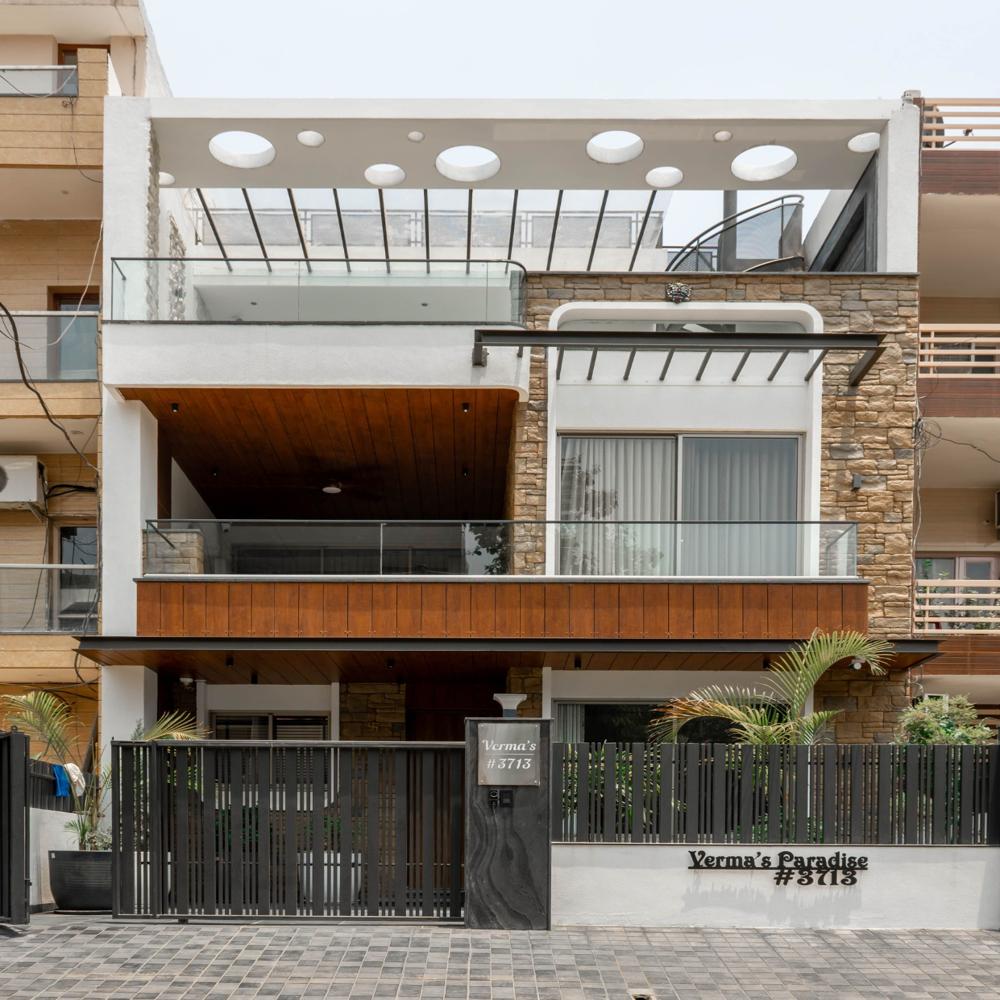
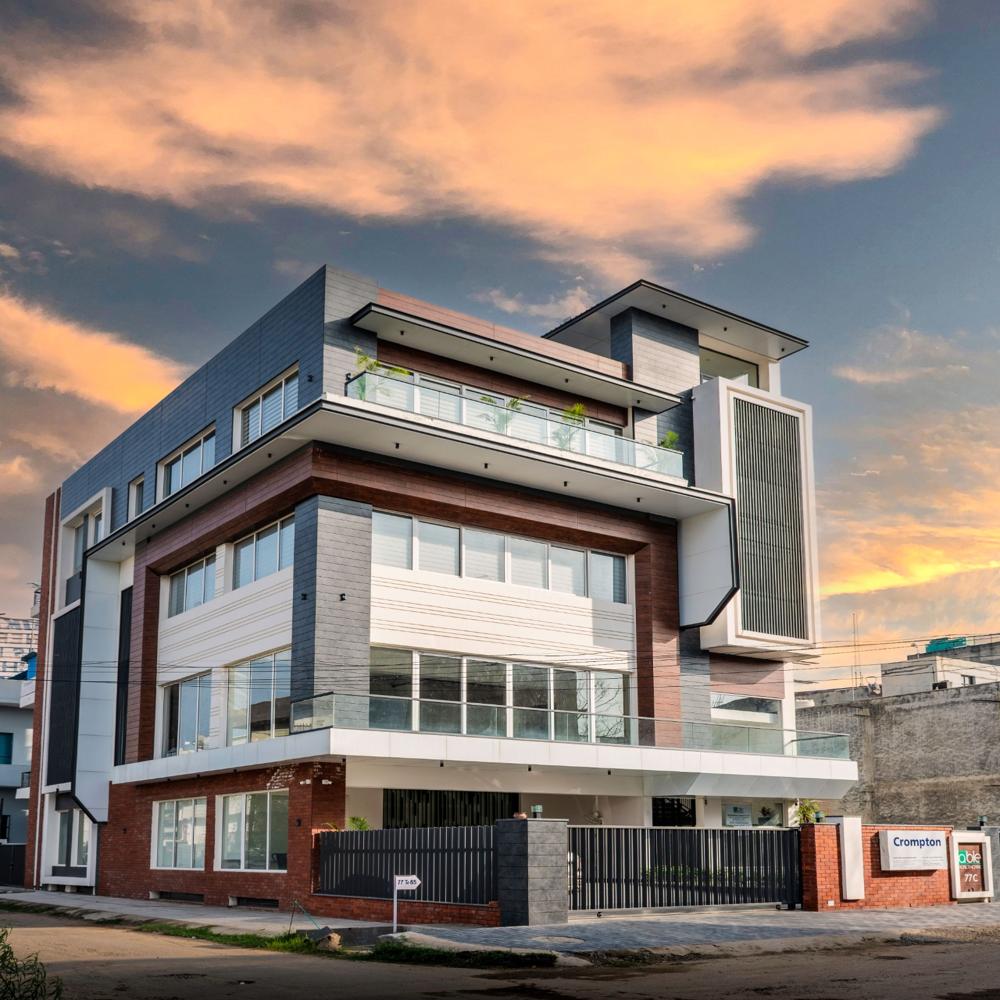
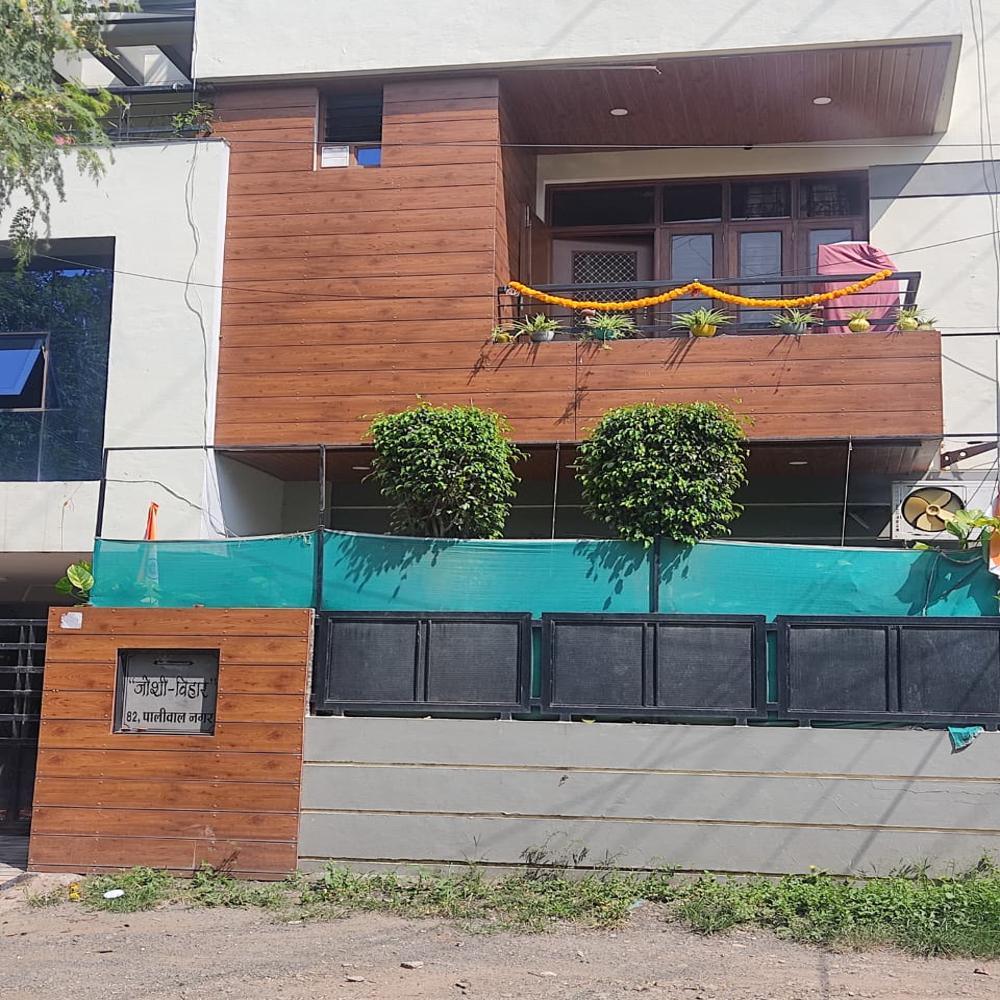
Versatile External Wall SolutionHPL sheet elevation designs are an excellent choice for external wall cladding, combining durability with contemporary aesthetics. Their matte finish and fire-retardant core make them suitable for areas demanding both safety and style. Ideal for commercial and residential spaces, these panels enhance building facades while providing weather resistance and easy maintenance.
Effortless Installation ProcessInstalling HPL sheets is efficient, thanks to a user-friendly screw-on method tailored for steel wall frames. Sheets can be easily cut to size using power saws, ensuring tailored fits for any wall section. This process not only saves time during assembly but also ensures a strong, lasting attachment for exterior applications.
FAQ's of HPL sheet elevation design:
Q: How are HPL sheet elevation designs installed on external walls?
A: HPL sheets are installed by securing them onto steel wall frames using a screw-on method. The panels are pre-cut to the desired size with power saws before installation, ensuring precise and stable placement on external walls.
Q: What are the common applications of HPL sheets in wall design?
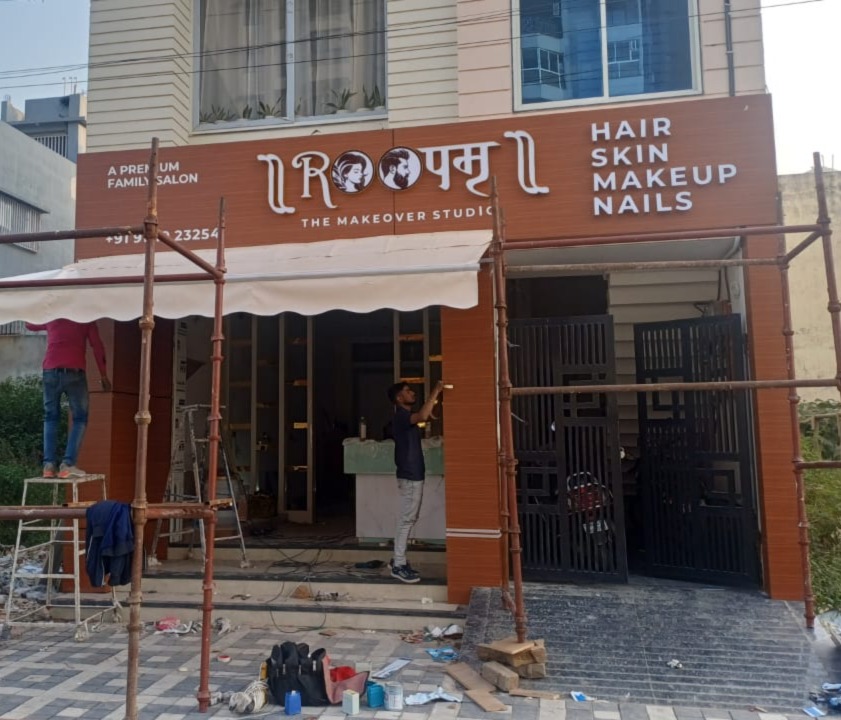
A: HPL sheets are widely used for wall elevation in both commercial and residential buildings. These panels serve as durable and stylish cladding materials for exterior facades, offering protection against weather and enhancing architectural appeal.
Q: Where can HPL sheet elevation designs be effectively used?
A: These elevation sheets are ideal for external wall surfaces of hotels, office buildings, homes, and other structures where robust weather resistance and aesthetic value are essential. Their fire-retardant core makes them particularly suitable for safety-conscious environments.
Q: What benefits do HPL sheets offer over other external wall materials?
A: HPL sheets offer excellent durability, a sleek matte finish, and easy maintenance. Their FR core enhances fire safety, while PVDF surface coatings provide added protection against UV rays and environmental pollutants, ensuring long-lasting color and integrity.
Q: How do I process and cut HPL sheets for my project?
A: HPL sheets can be efficiently cut to the required dimensions using a power saw. This enables precise customization for your specific wall areas, ensuring a professional finish and optimal fit for each installation.
Q: When should I use a retailer, service provider, supplier, or trader for HPL sheet sourcing?
A: Retailers are ideal for smaller purchases, while suppliers and traders can support bulk orders or ongoing projects. Service providers can assist with installation and technical support, ensuring a seamless project experience from material procurement to completion.






 Send Inquiry


 Send Inquiry
